
Chess clocks around the world
Twenty-four national and regional histories tracing how local chess culture met local industry, imports, workshops, and tournament practice.
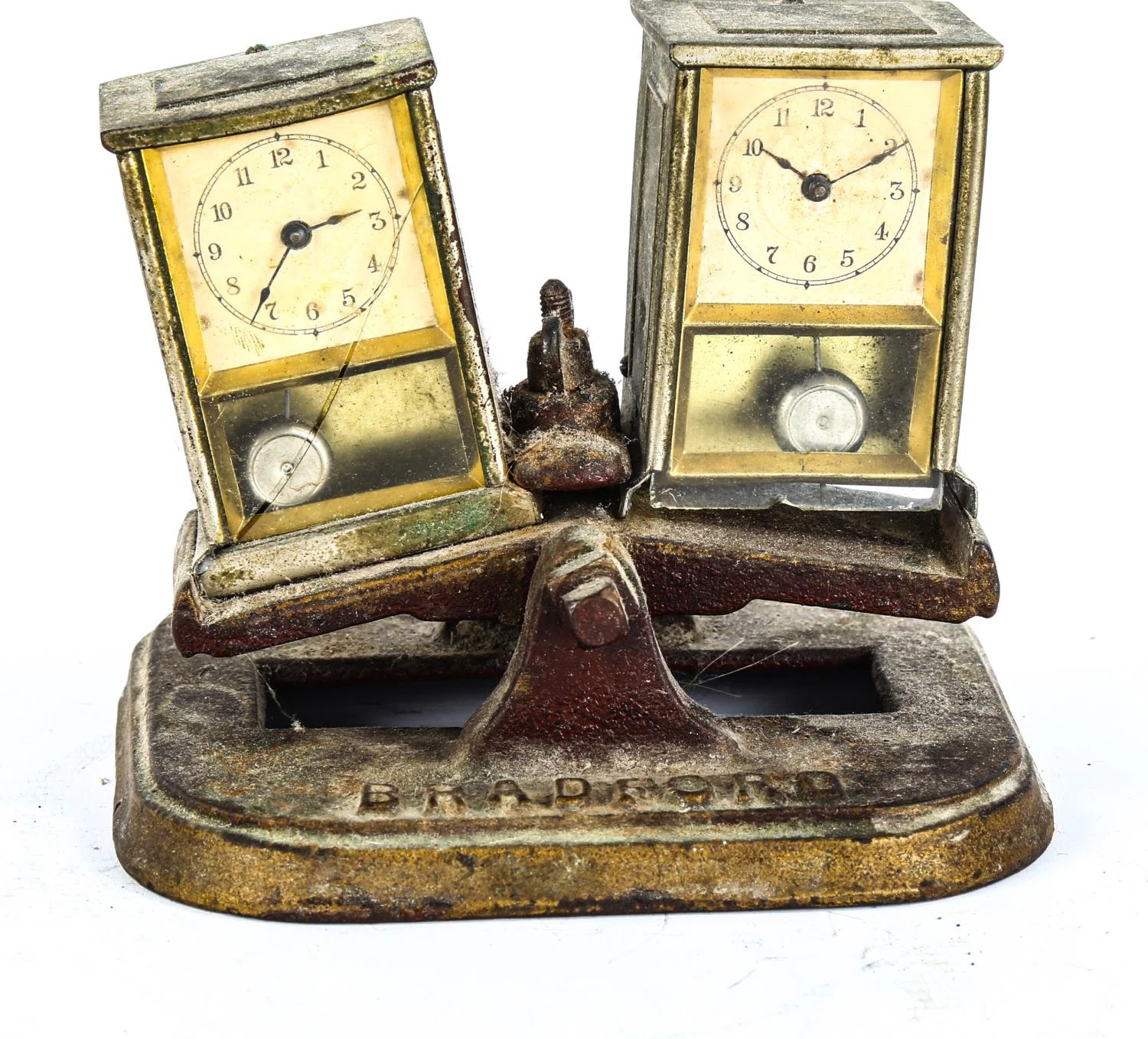
United Kingdom
From craft horology and the first practical tournament timer to standardized club equipment, Britain played a foundational role in turning the chess clock from an experiment into an institution.
Explore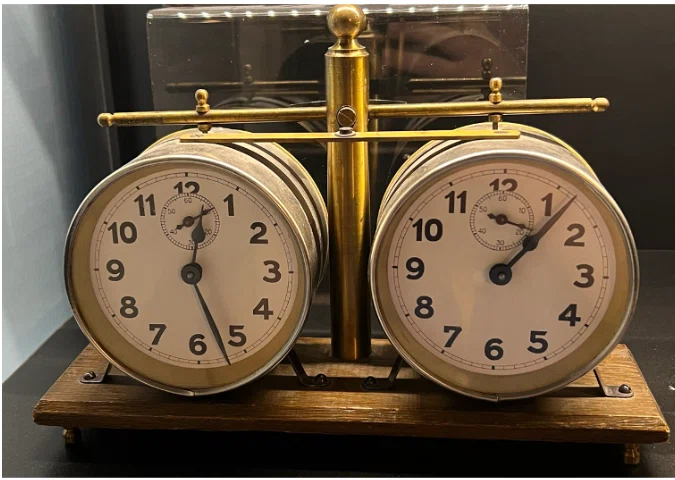
Germany
Germany combined one of the world's strongest chess cultures with an extraordinary industrial clockmaking base, allowing the chess clock to evolve from workshop and factory experiments into a globally distributed mechanical product.
Explore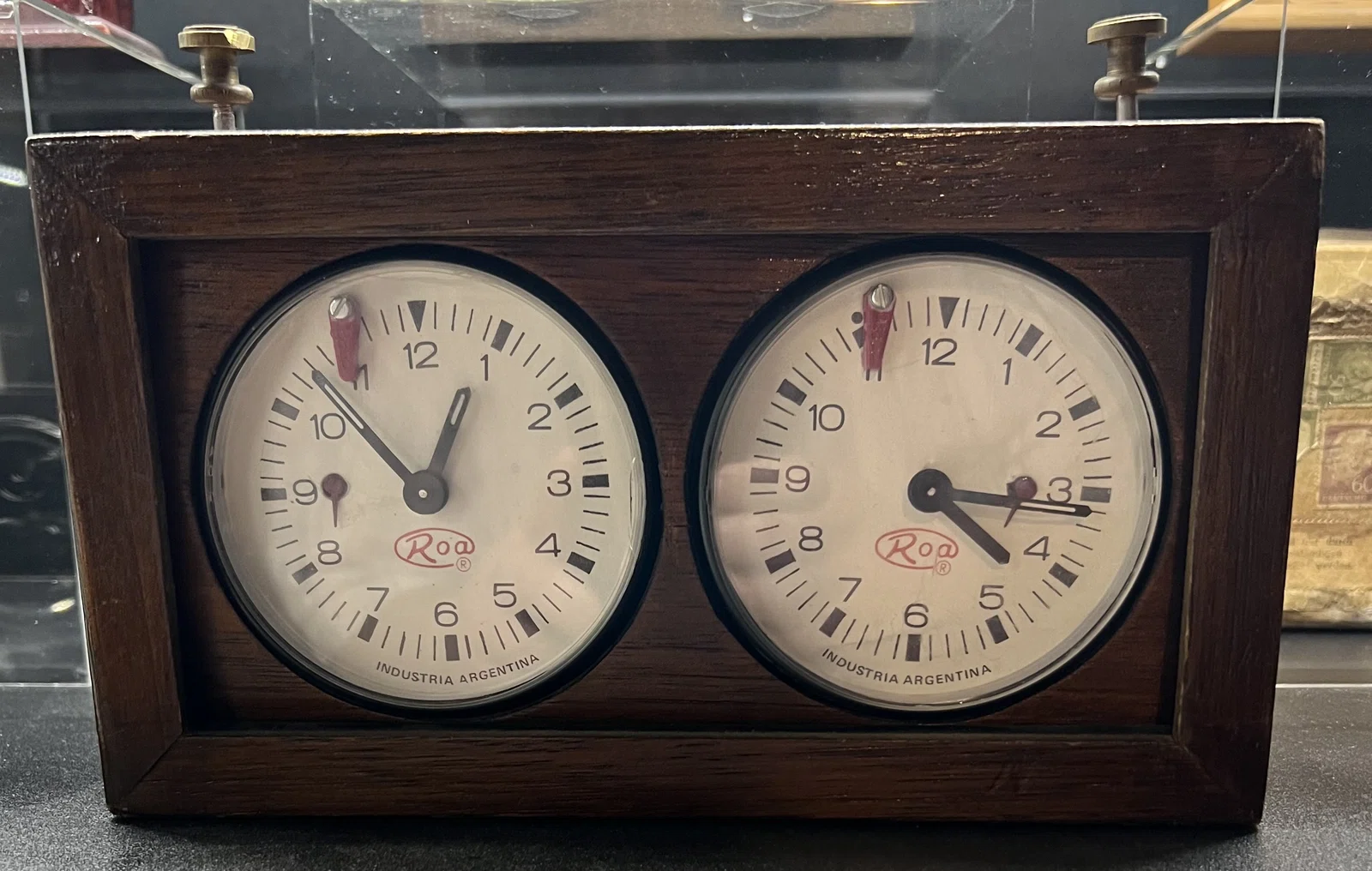
Argentina
Argentina moved from reliance on imported European tournament clocks to a distinct domestic chess-clock tradition shaped by workshop production, specialized tournament manufacture, industrial standardization, and unusually ambitious experiments in time control itself.
Explore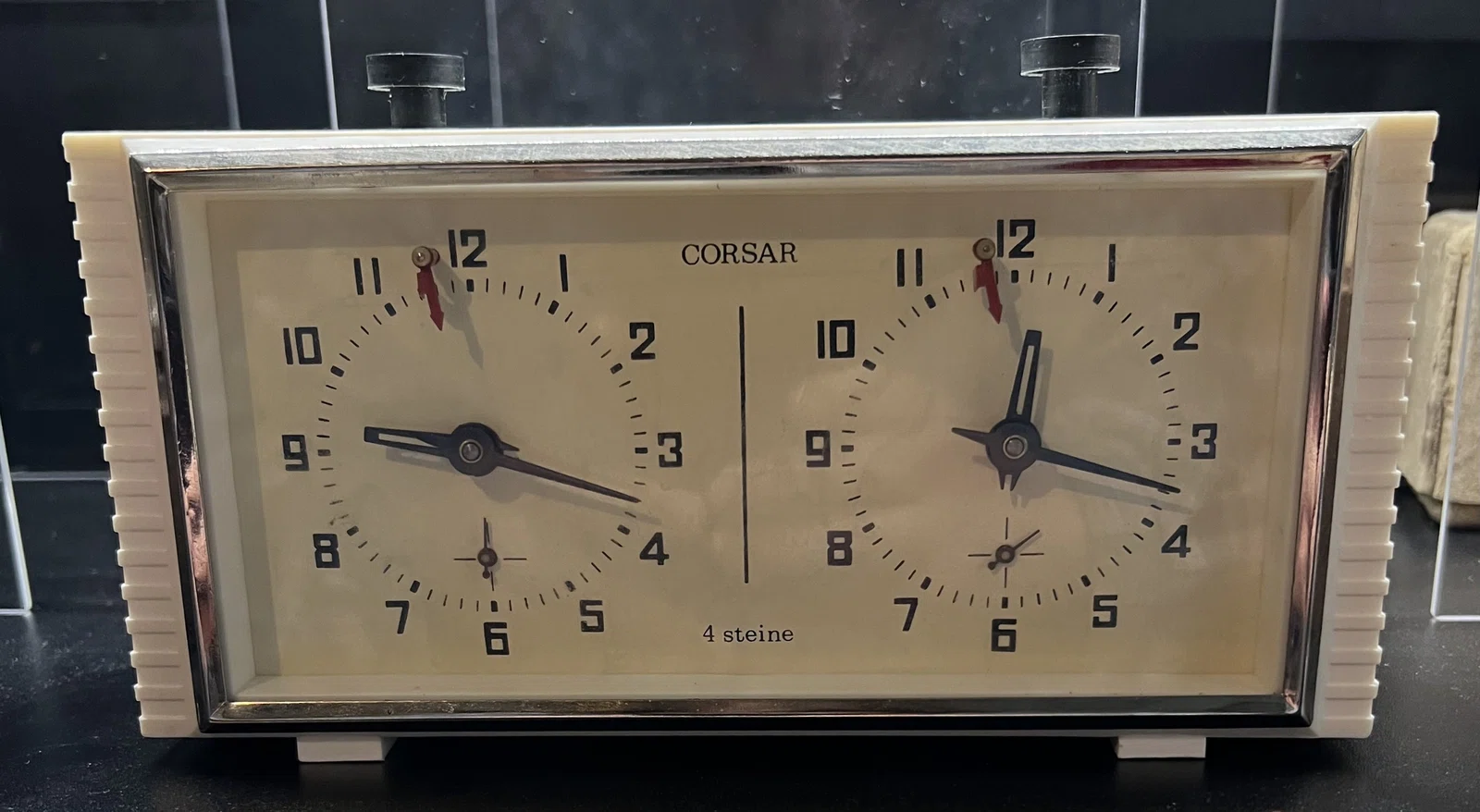
Soviet Union / Russia
A state-built chess culture and a deliberately constructed horological industry eventually produced one of the most recognizable families of mechanical tournament clocks in the world.
Explore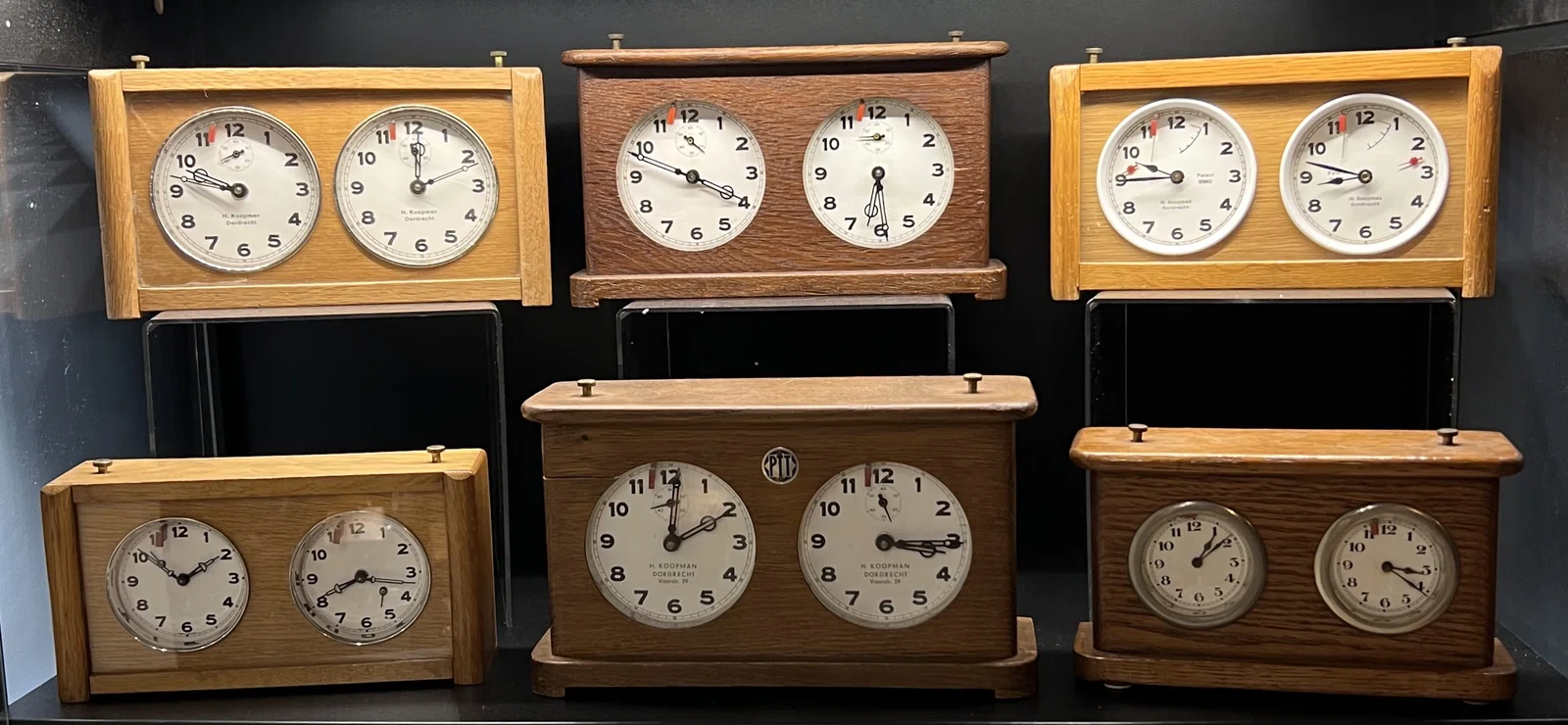
Netherlands
The Netherlands combined a deep chess culture, a famous precision-timekeeping tradition, and a commercial workshop economy in which imported movements, local assembly, branding, and distribution often mattered more than a single national factory.
Explore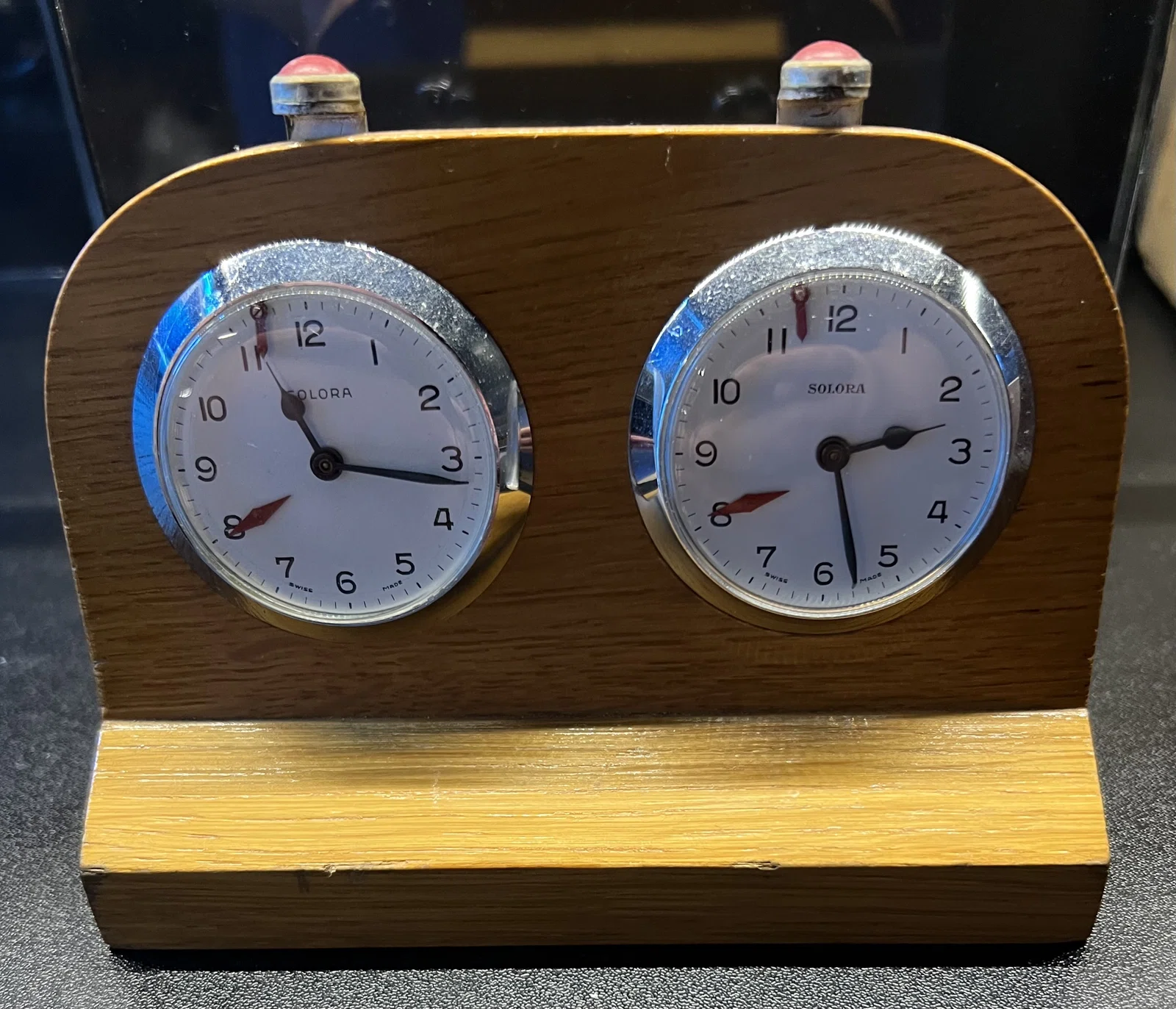
Switzerland
Swiss chess clocks emerged from a national culture famous for precision mechanics, compact movements, export horology, and tournament organization rather than from the giant mass-market clock factories that shaped Germany.
Explore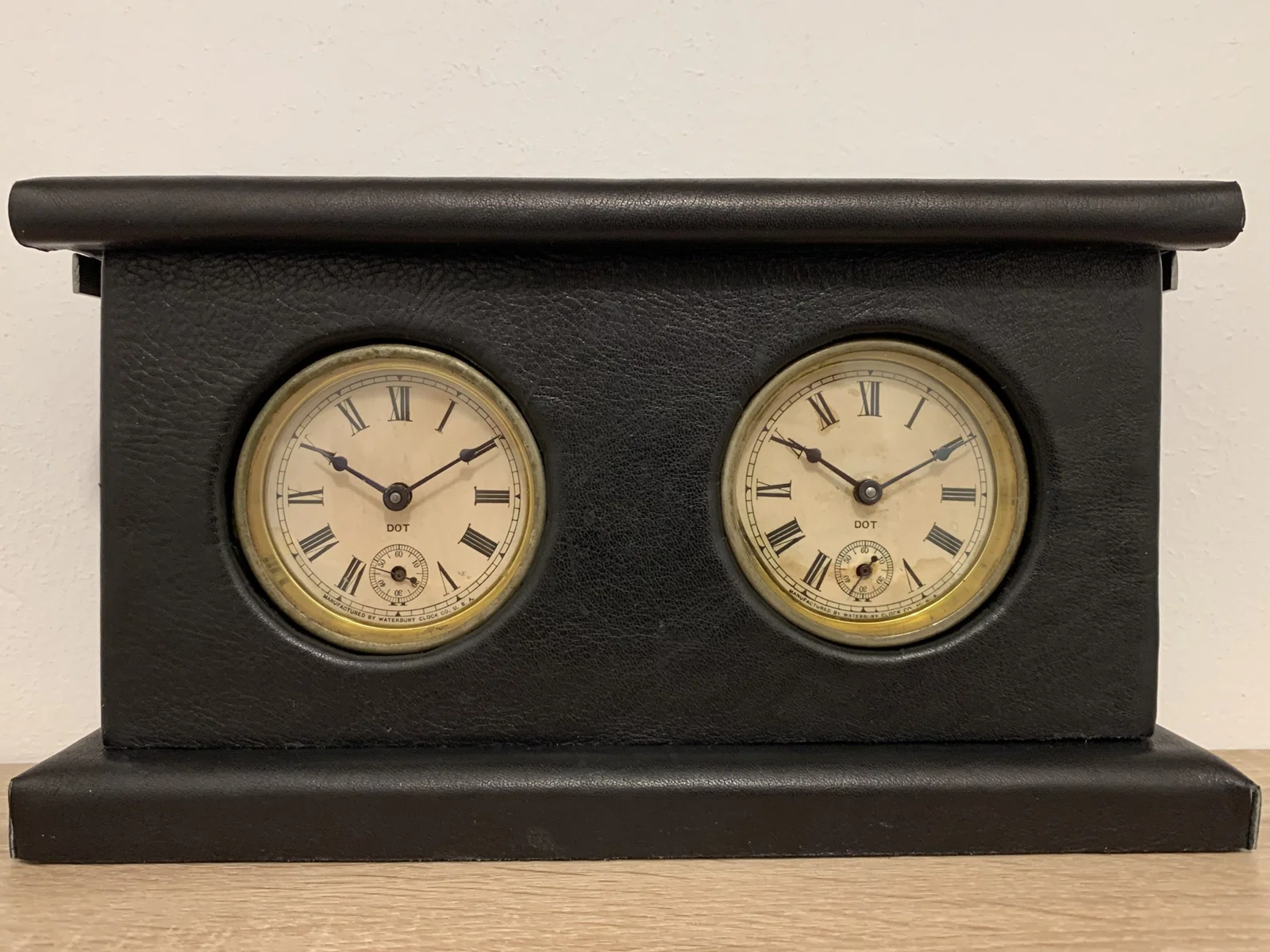
United States
The United States had extraordinary clockmaking capacity but a surprisingly thin domestic chess-clock industry, producing a scattered record of factory adaptations, pocket timers, electric experiments, and local workshop solutions.
Explore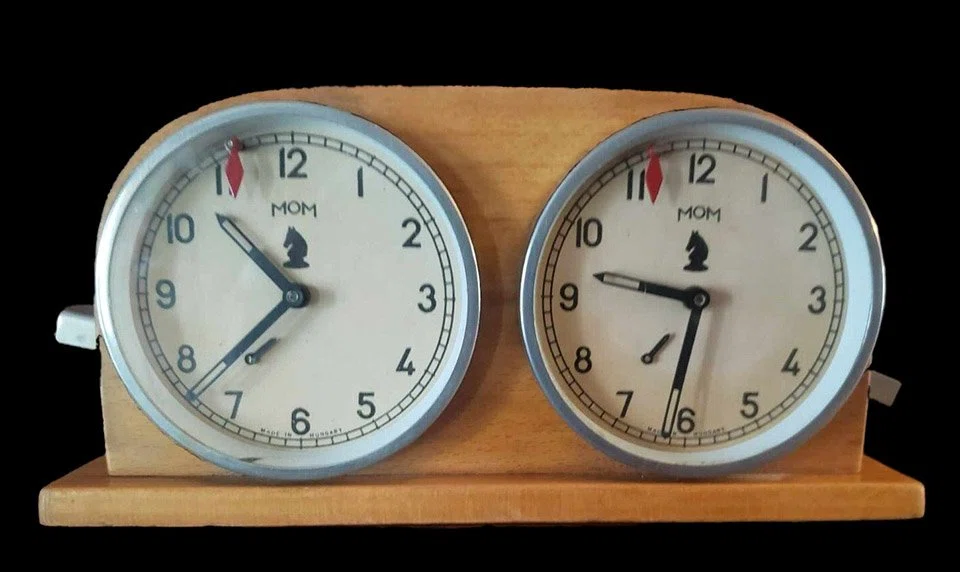
Hungary
Hungary moved from imported tournament clocks and local watchmakers to a tightly connected postwar factory system whose Danuvia, Omikron, and MOM clocks became substantial export products.
Explore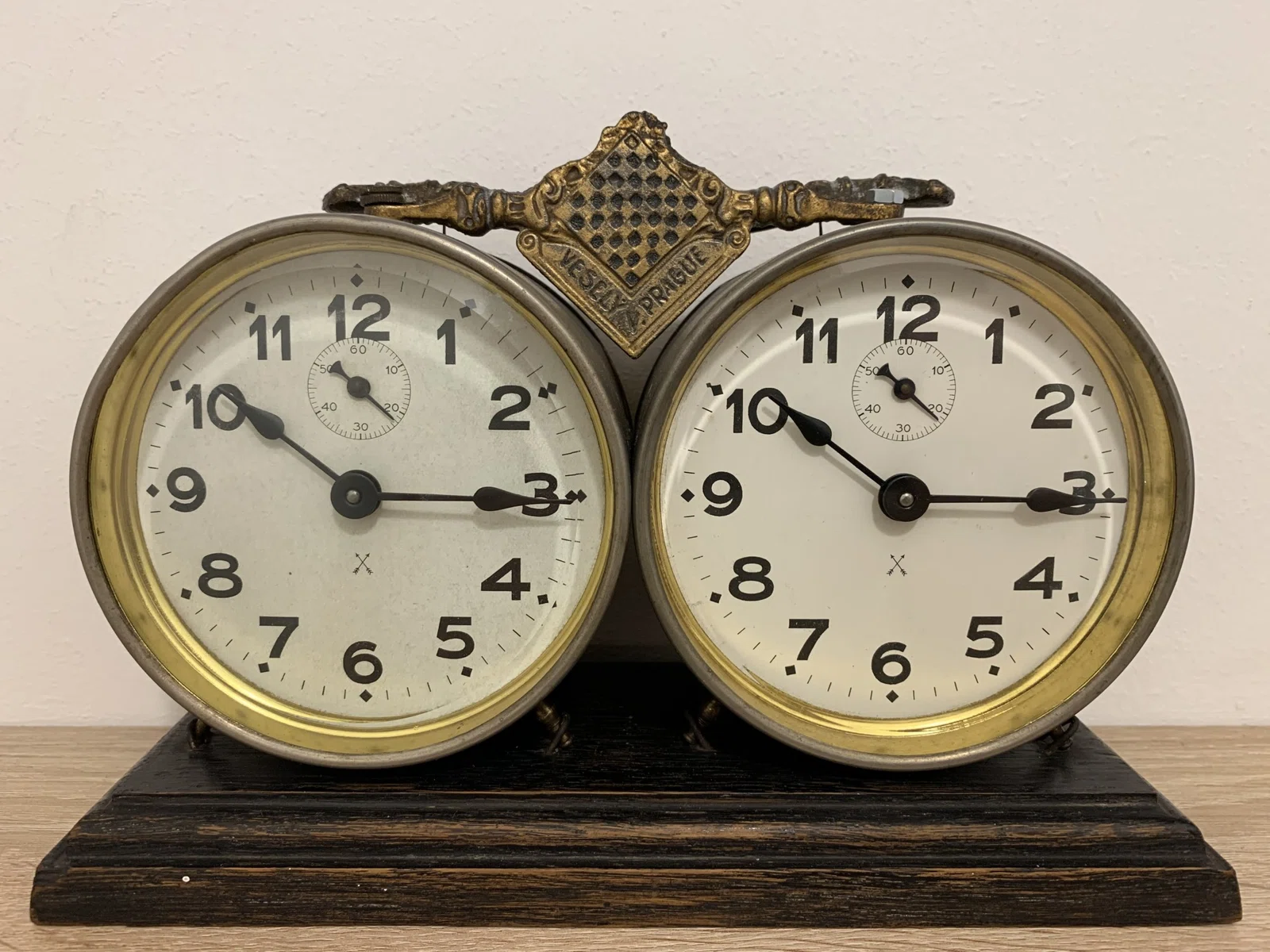
Czech Lands / Czechoslovakia
Czech chess timing developed across imperial borders, German branch factories, local workshops, and a postwar state industry that eventually produced Chronotechna, Exacta, and PRIM families.
Explore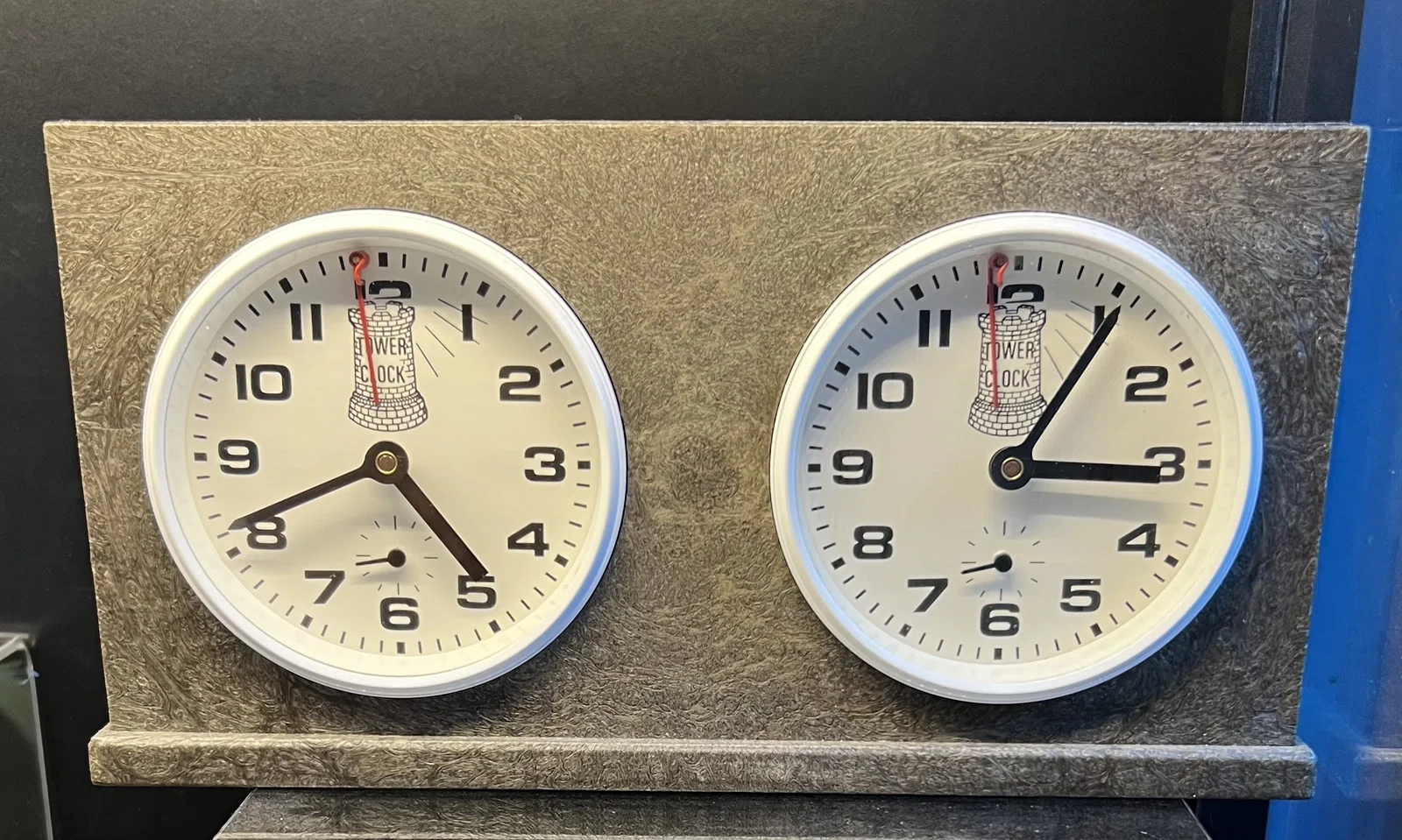
Sweden
Sweden built a recognizable national chess-clock tradition without a giant domestic movement industry, repeatedly combining imported mechanics with local cases, switching systems, chess institutions, and commercial branding.
Explore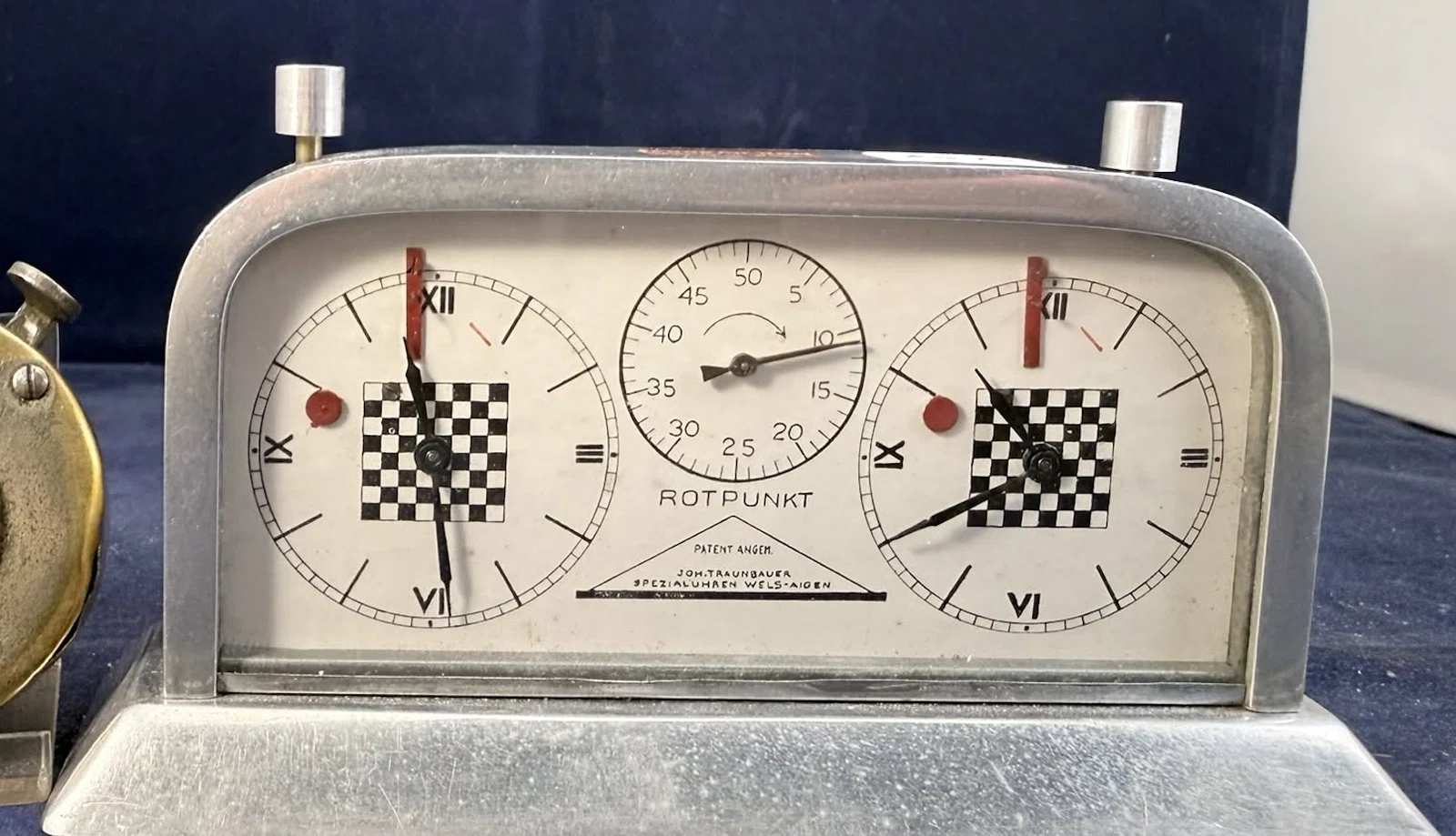
Austria
Austria's chess-clock history grew from a remarkable mix of rural clockmaking, Viennese precision craft, industrial production, elite chess culture, and small workshops that frequently combined local cases with German movements.
Explore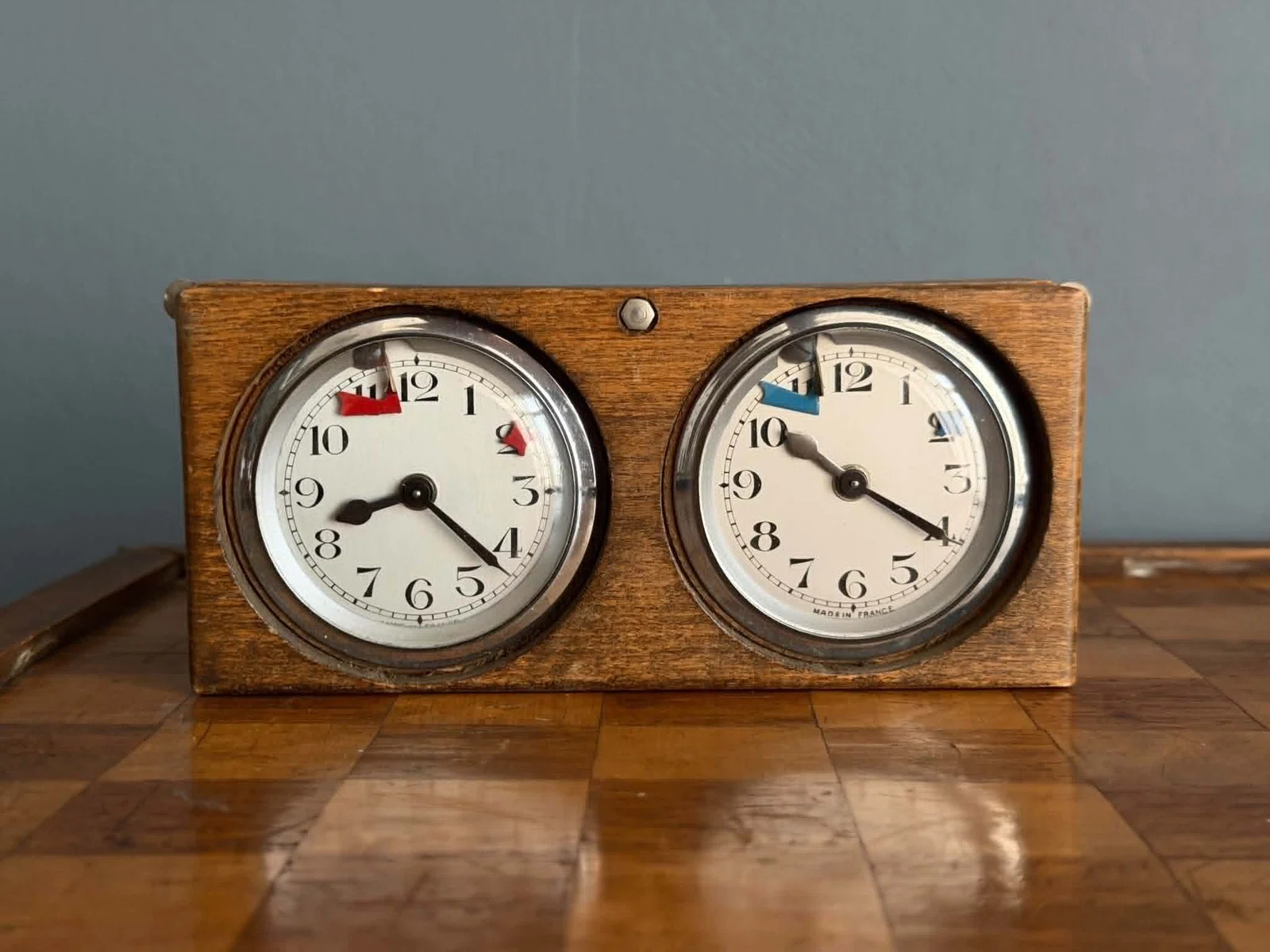
France
France possessed more than enough horological capacity to build chess clocks, yet a small organized chess market meant that domestic timers appeared mainly as adaptations, retailer-linked assemblies, and limited product lines rather than a major specialist industry.
Explore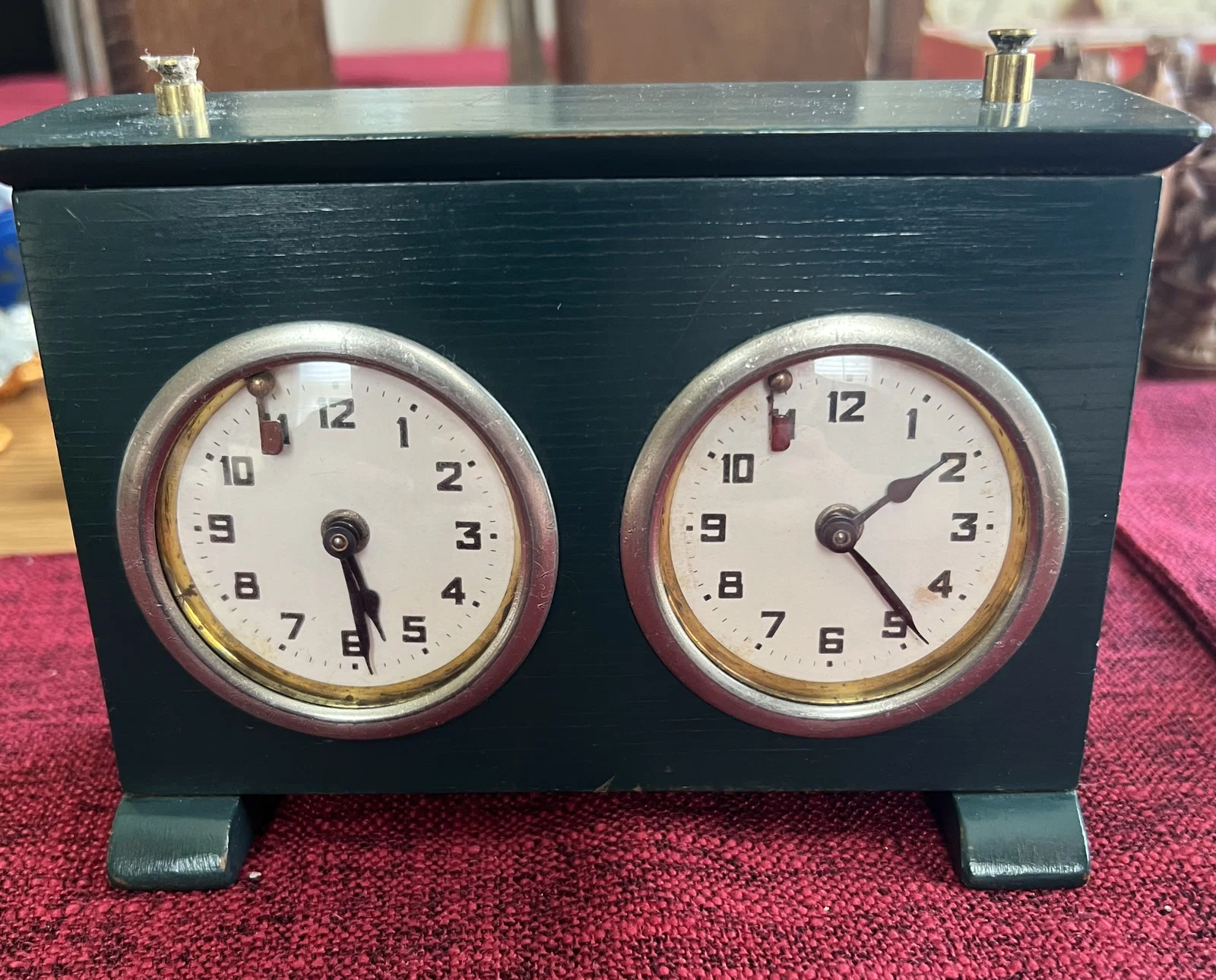
Australia
A practical 1935 locally made clock created to solve the cost and availability problem for Australian clubs and congresses.
Explore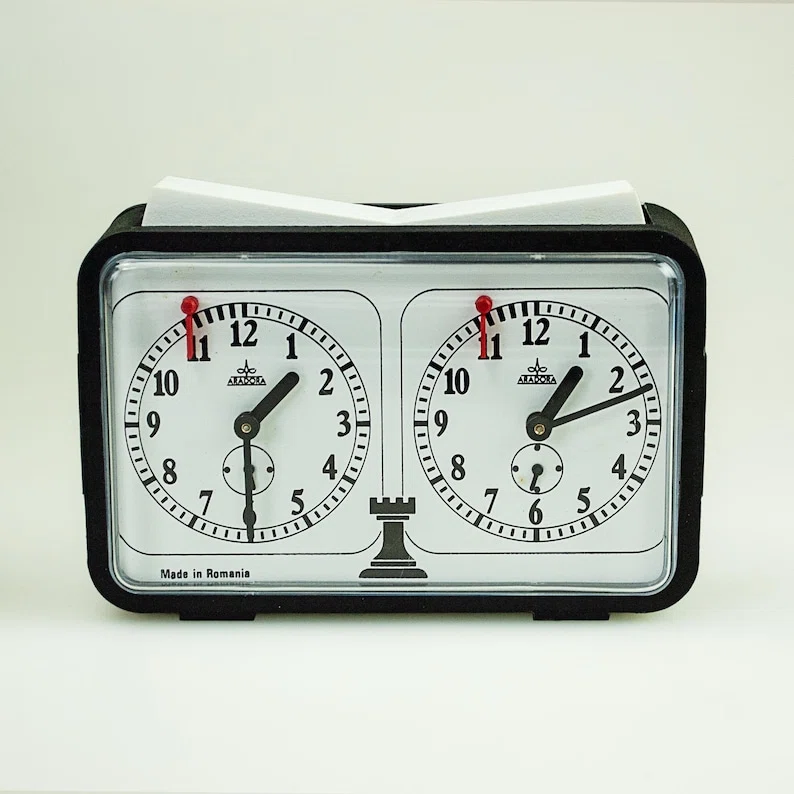
Romania
Romania's principal mechanical chess clock emerged from a state industrial clock factory and survived through the country's transition from communist mass production to a post-communist niche market.
Explore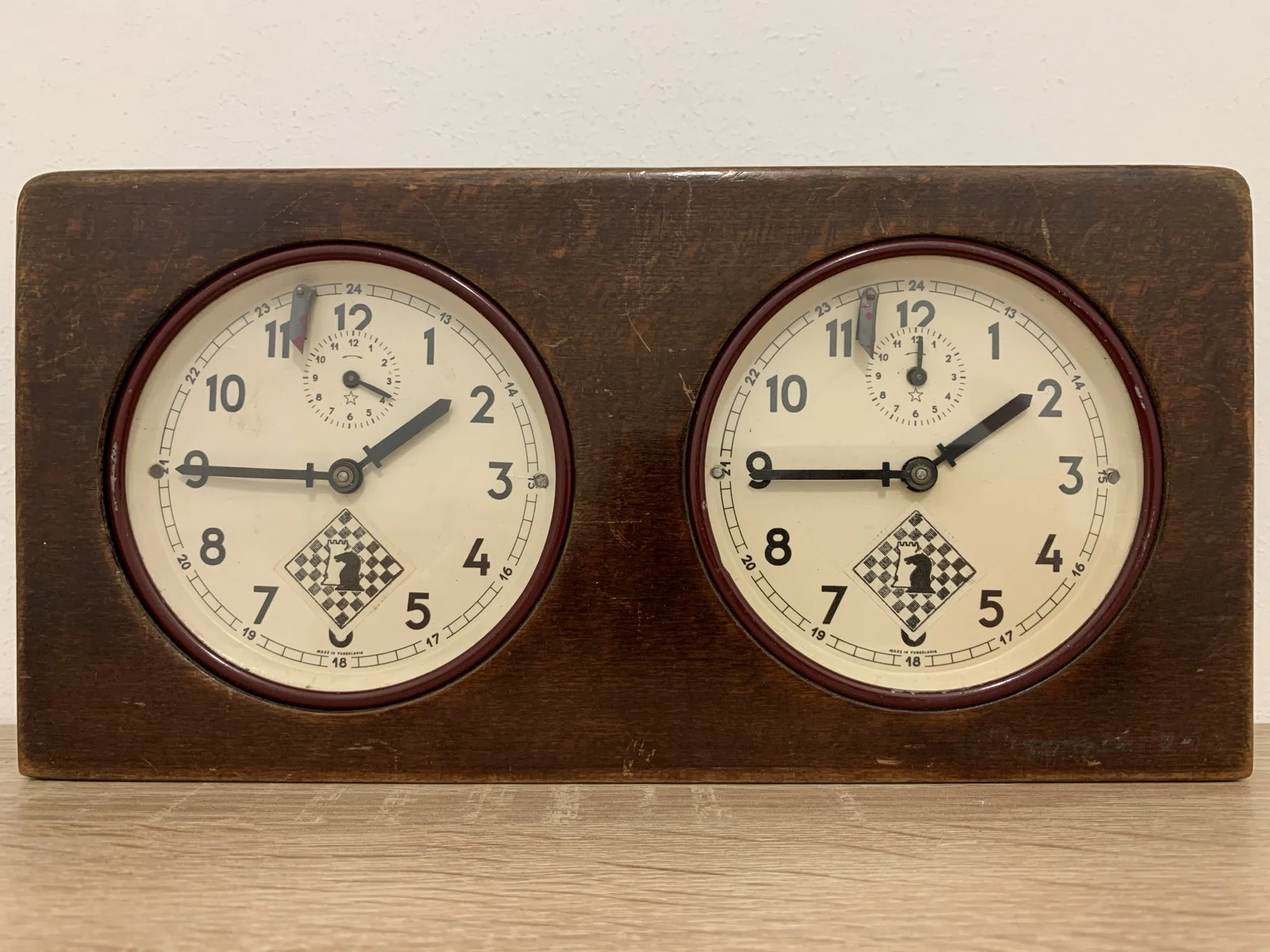
Yugoslavia / Serbia
Yugoslavia's chess-clock history is unusually concentrated around one industrial producer whose designs evolved from heavy wooden clocks to modern analog products.
Explore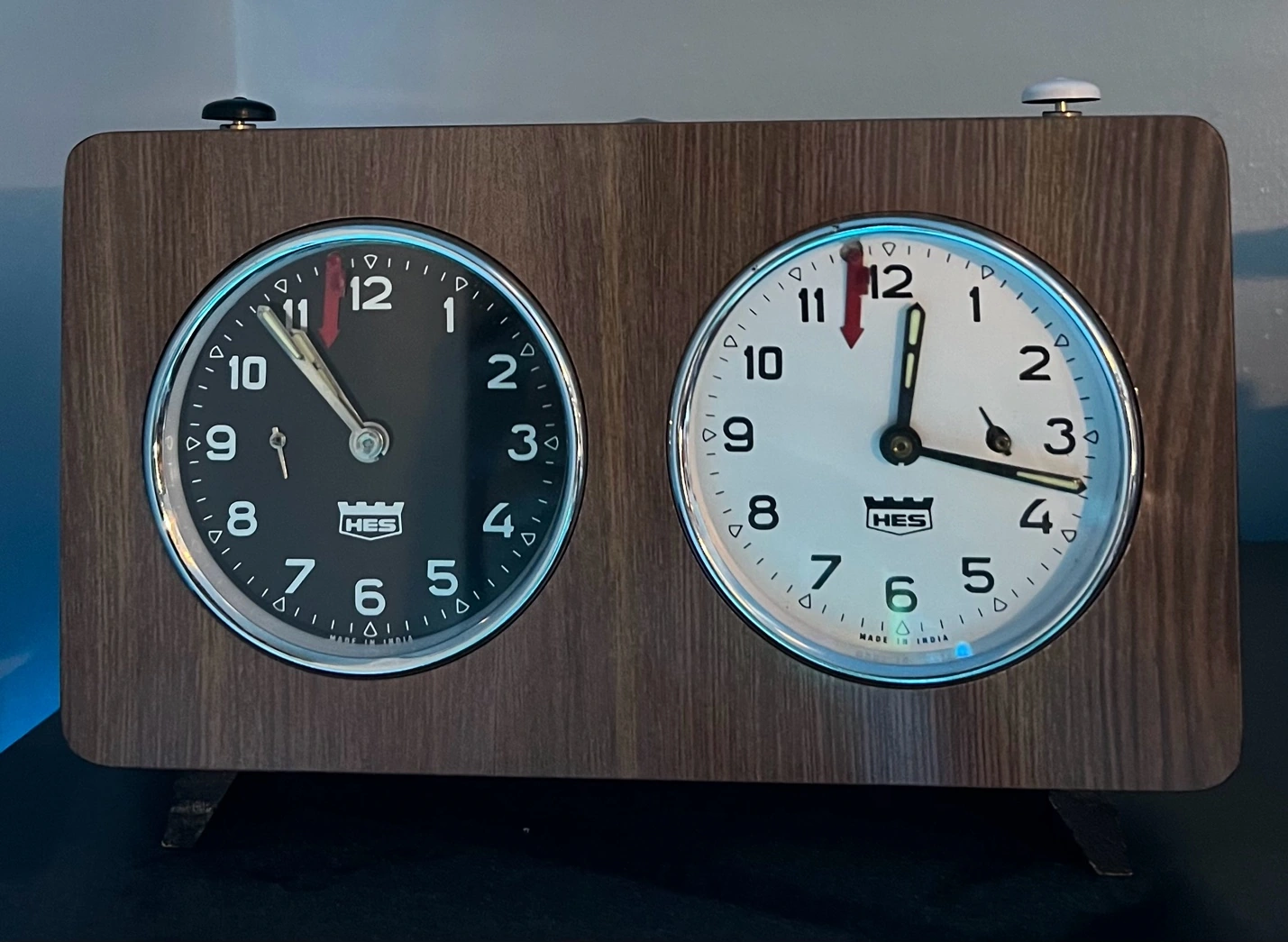
India
A Bombay-made mechanical chess clock produced by a domestic precision firm whose wider clock business developed in documented collaboration with Czechoslovak Chronotechna.
Explore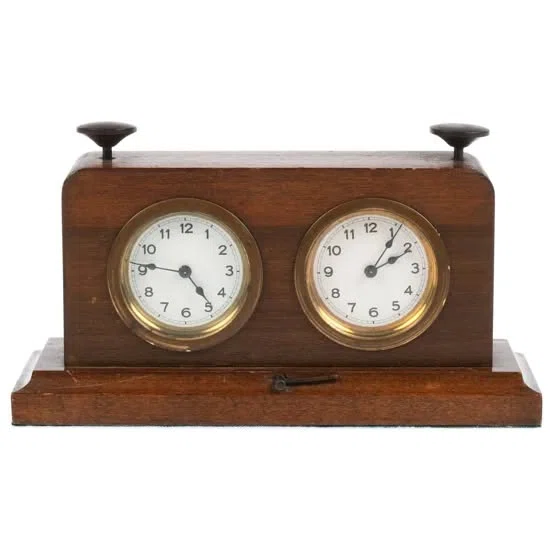
Denmark
Denmark's surviving clocks trace a progression from watchmaker-centered early manufacture to purpose-designed club products and small workshops that frequently used imported German movements.
Explore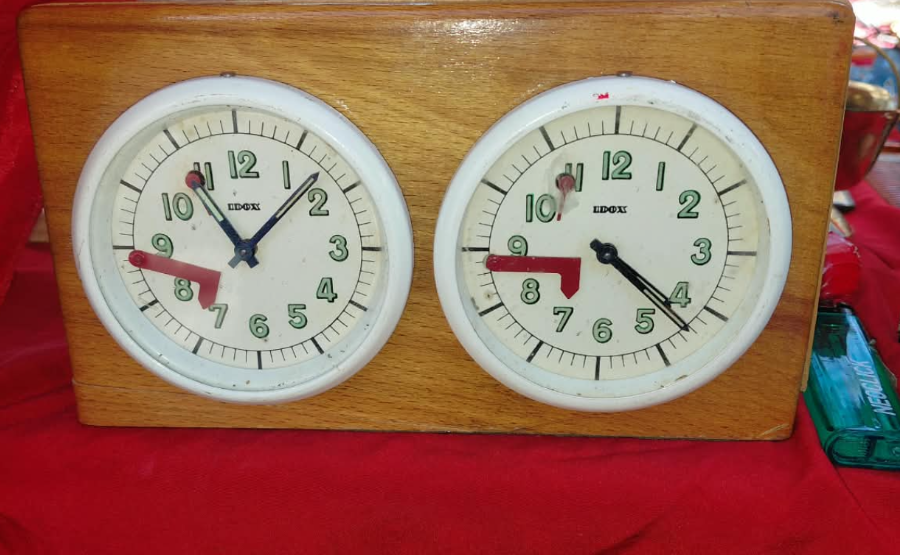
Israel
A documented 1956 H. & J. Benjamin chess-clock advertisement and a separate IDOX / Israel Watches Co. line preserve two paths in postwar Israeli chess timing.
Explore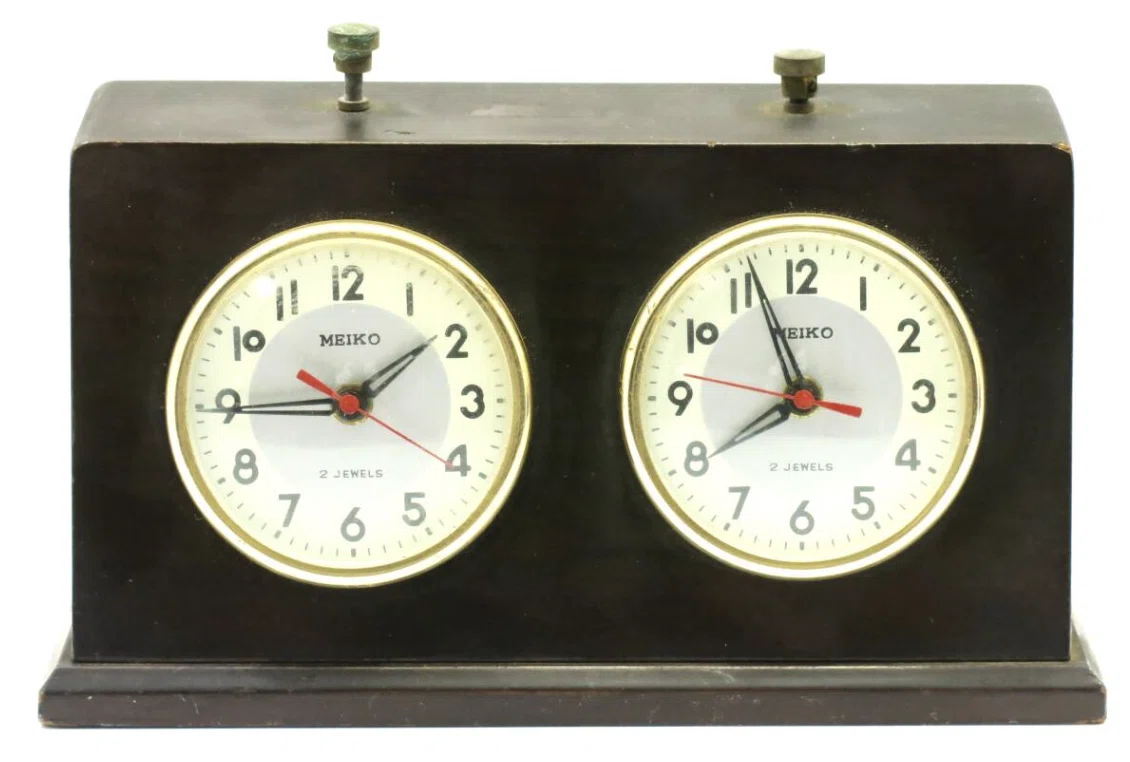
Japan
A Nagoya-made mechanical timer designed not for chess alone but for Japan's broader culture of timed board games.
Explore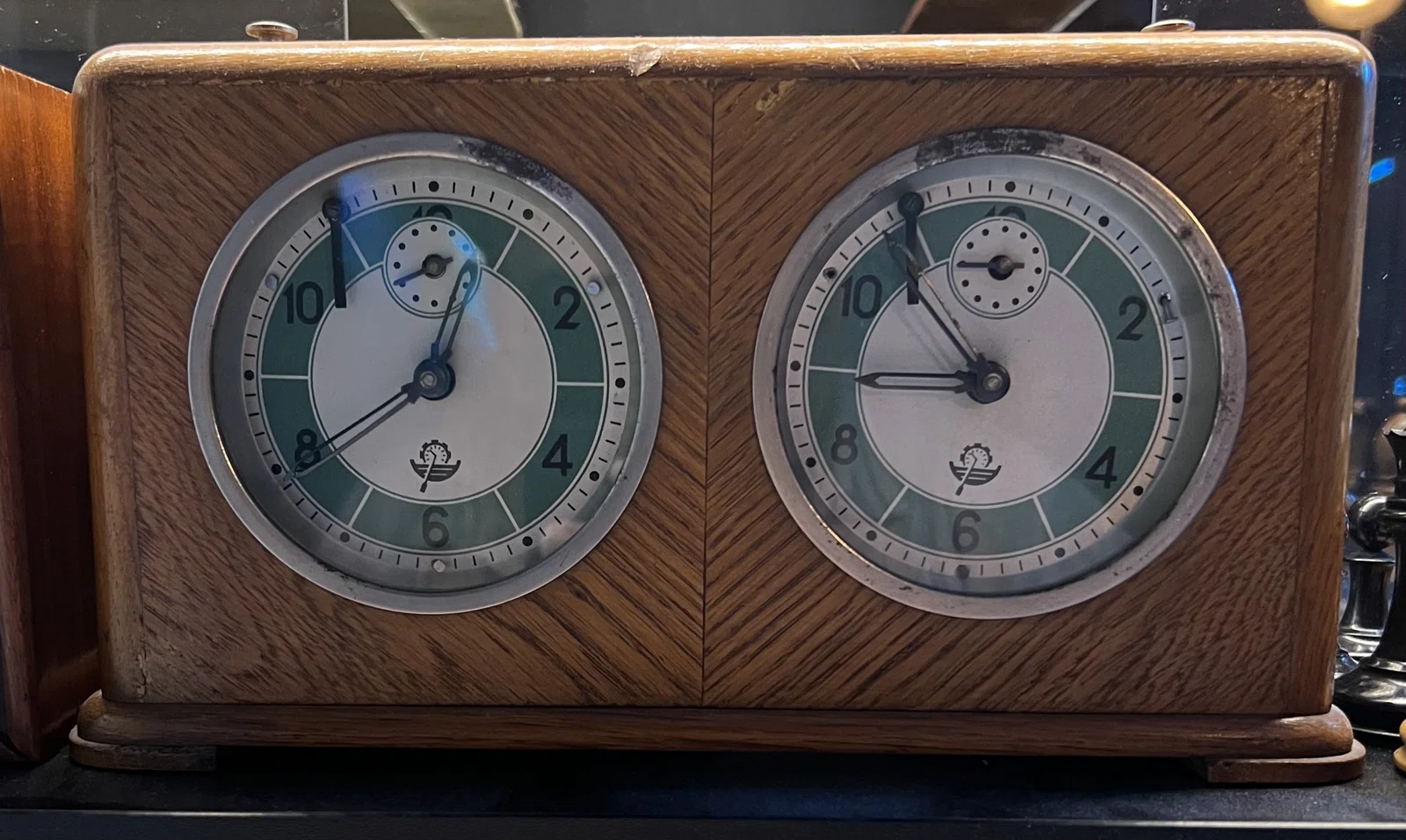
Poland
A postwar Łódź precision factory that moved from early wooden mechanical clocks to the Hetman, an electronic Rook, export production, and later links to the BHB brand.
Explore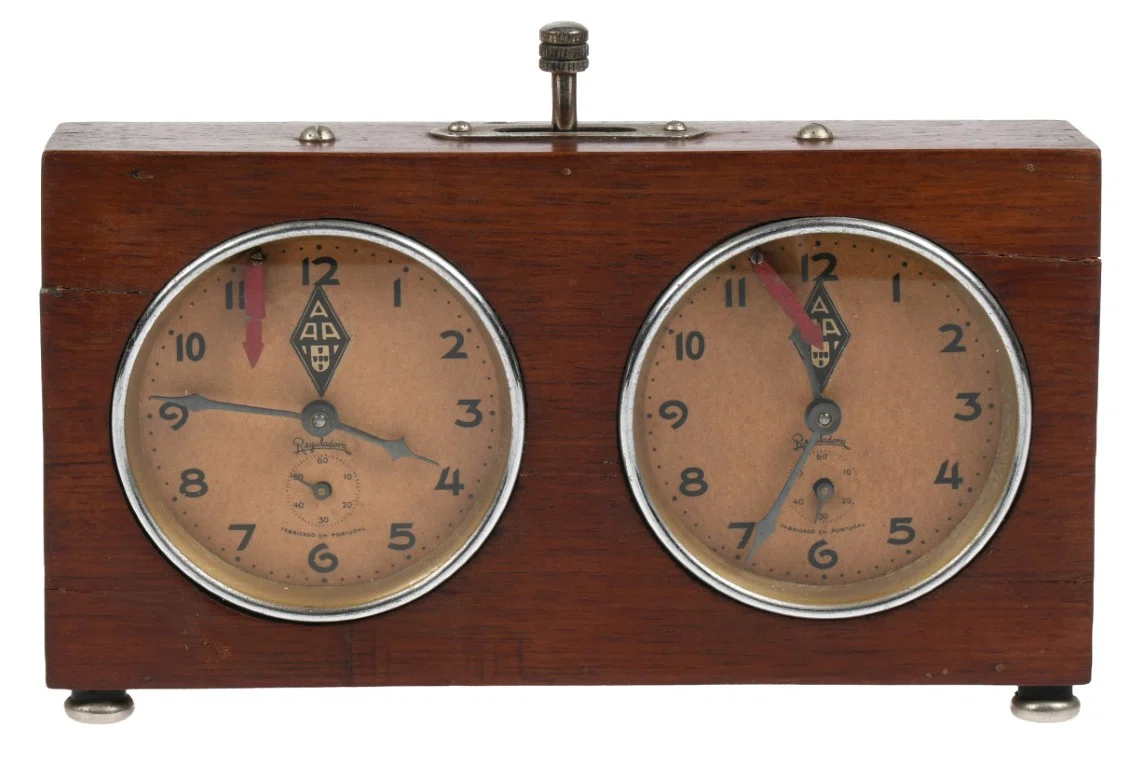
Portugal
Portugal's surviving mechanical chess clocks point to a small workshop and club-commission tradition built around components from the major domestic manufacturer Reguladora rather than a standardized national chess-clock factory line.
Explore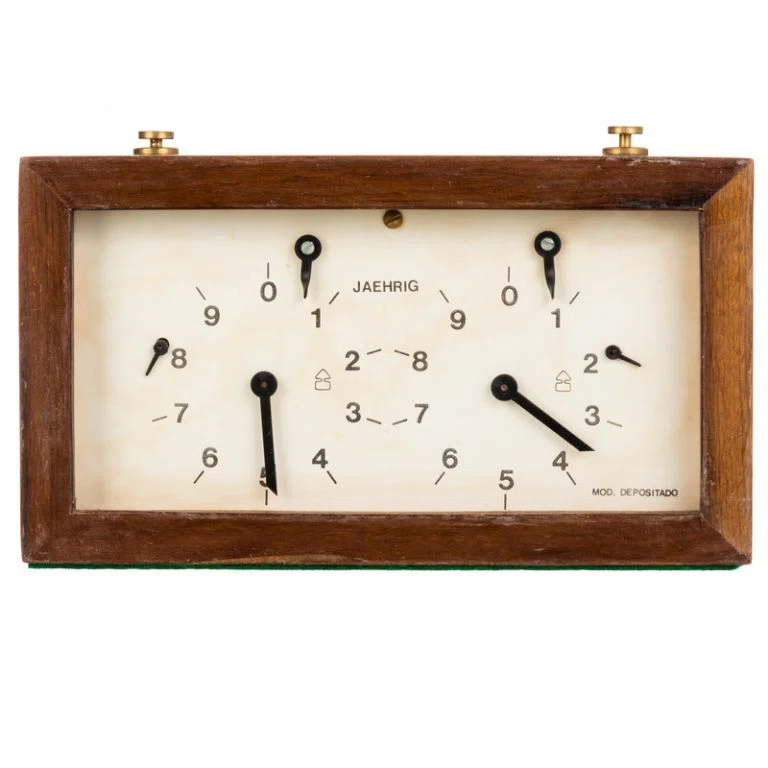
Brazil
Brazil's documented domestic tradition runs from the locally advertised Vince Toth clock to Jaehrig's continuing analog and digital production.
Explore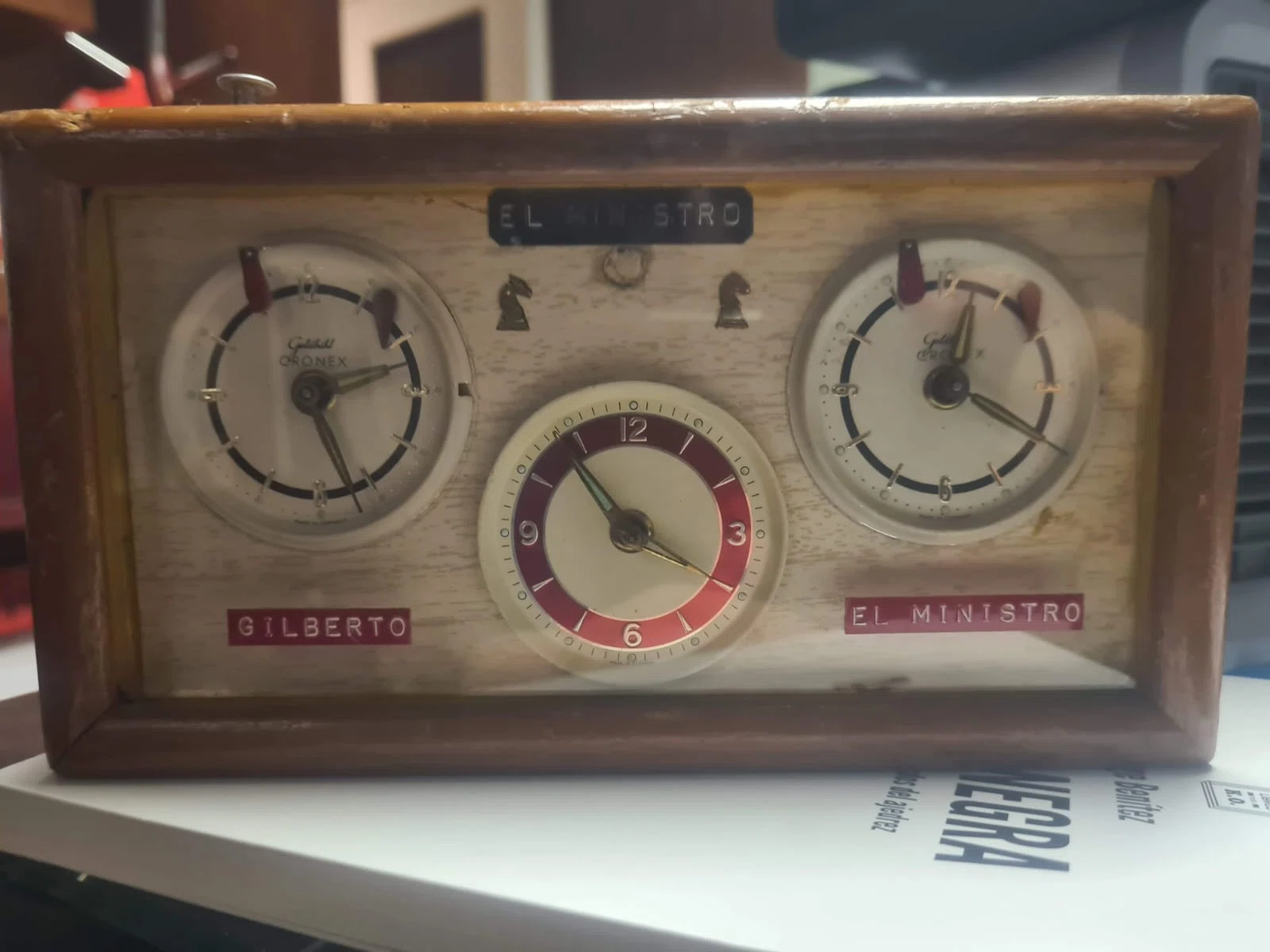
Mexico
A rare case in which a strong national-level chess player also became the maker of both personalized and ordinary-sale chess clocks.
Explore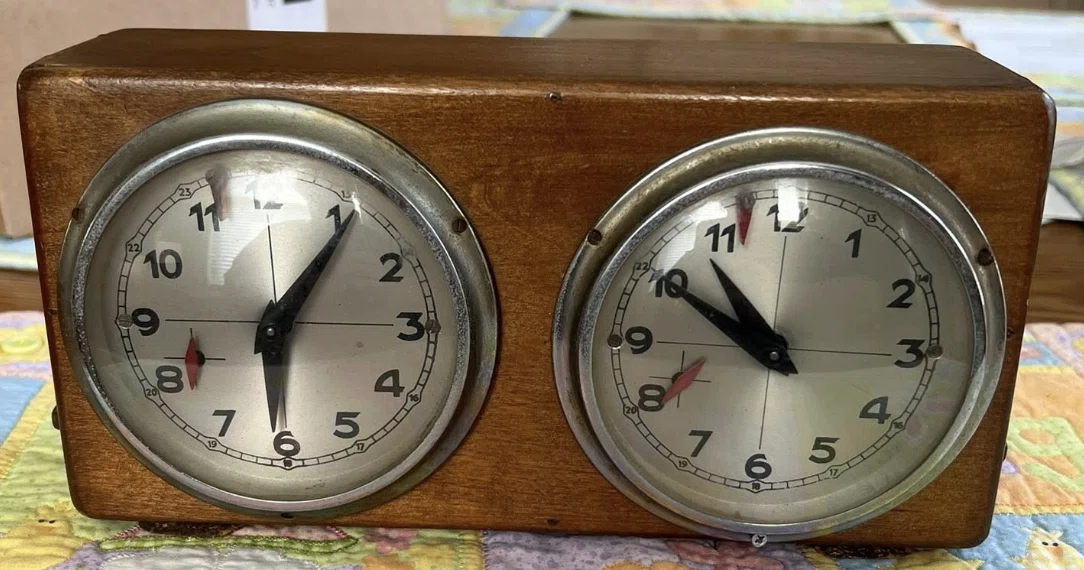
Spain
A numbered and precisely dated Barcelona workshop clock whose paper label is strong evidence of artisanal production but does not yet reveal the maker's full identity.
Explore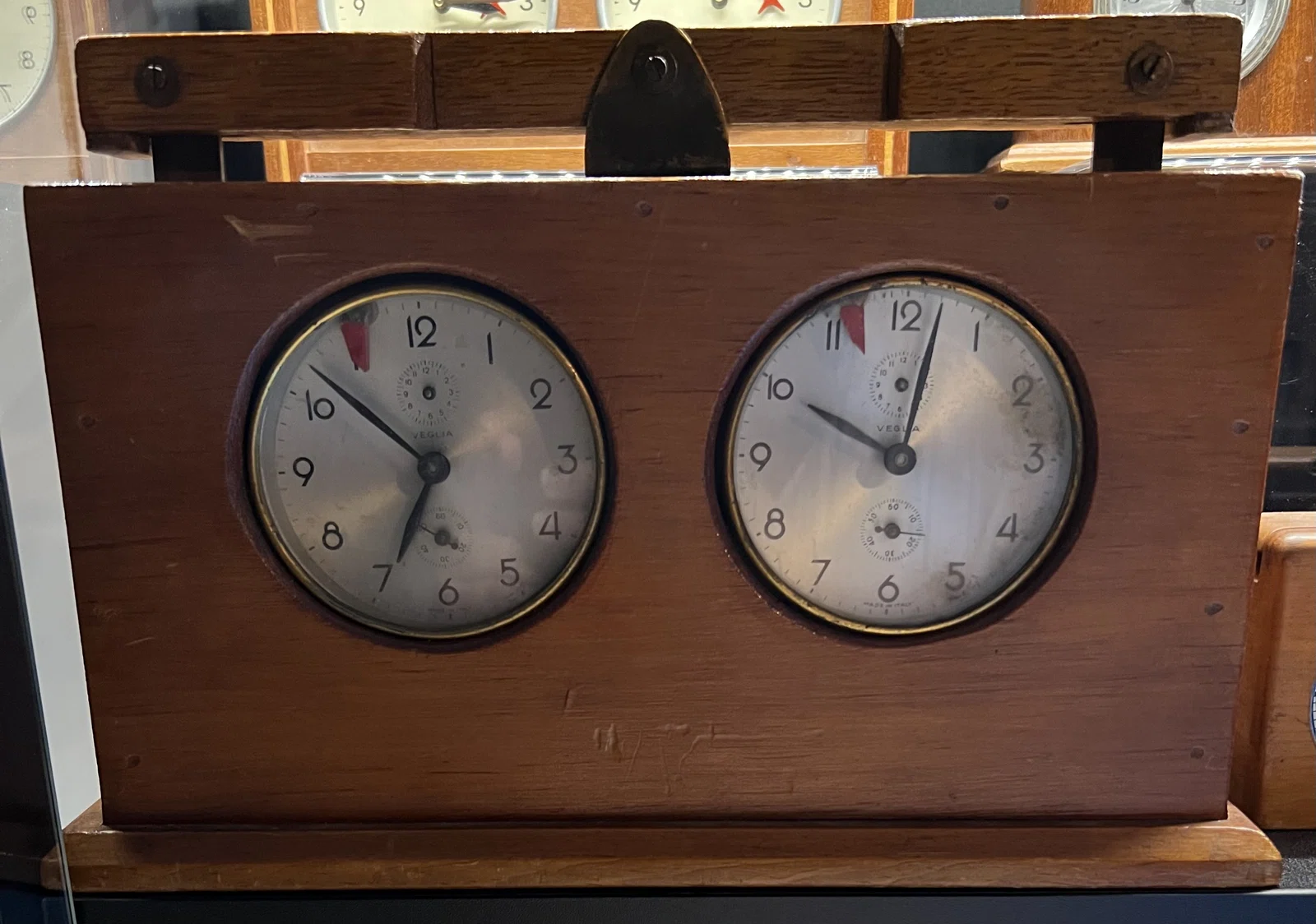
Italy
Italian clock parts appear in chess timers, but no securely documented historical Italian factory chess-clock line has yet emerged from the surviving evidence.
Explore