
Special Topics
The themes that cut across countries and makers—from flags and move counters to accessibility, club culture, supply chains, and digital timing.
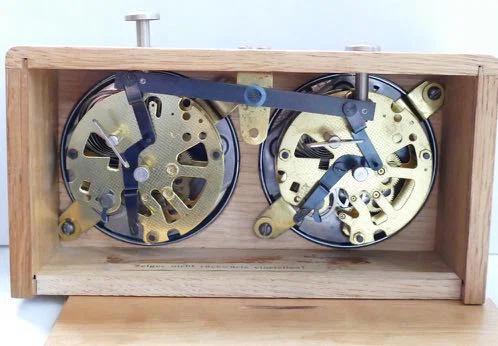
How Mechanical Chess Clocks Work
The classic chess clock is not one complicated clock. It is two ordinary clocks joined by a chess-specific control system.
Read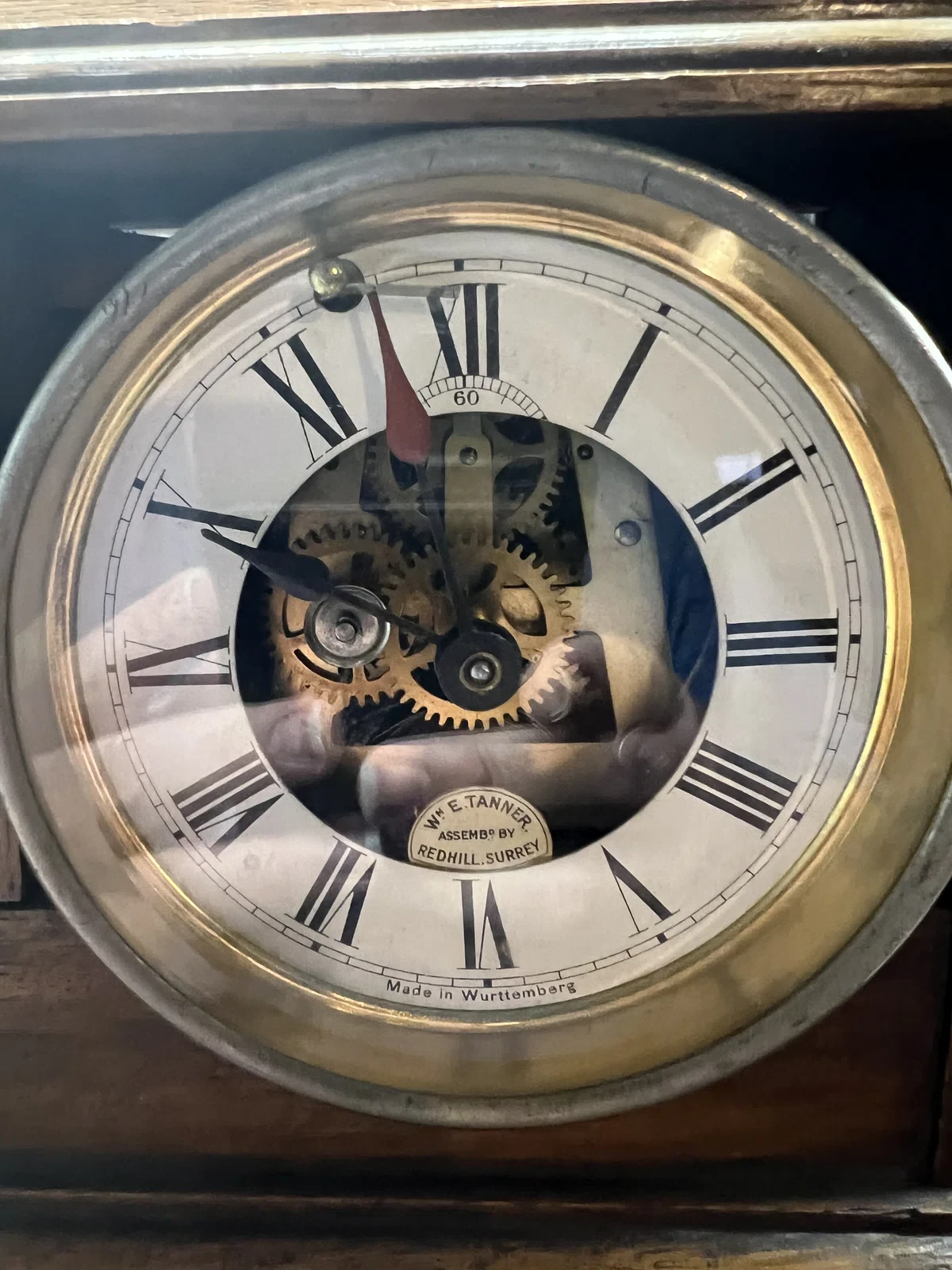
The Chess-Clock Flag
The falling flag did not change how time was measured. It changed how time expiration could be proved.
Read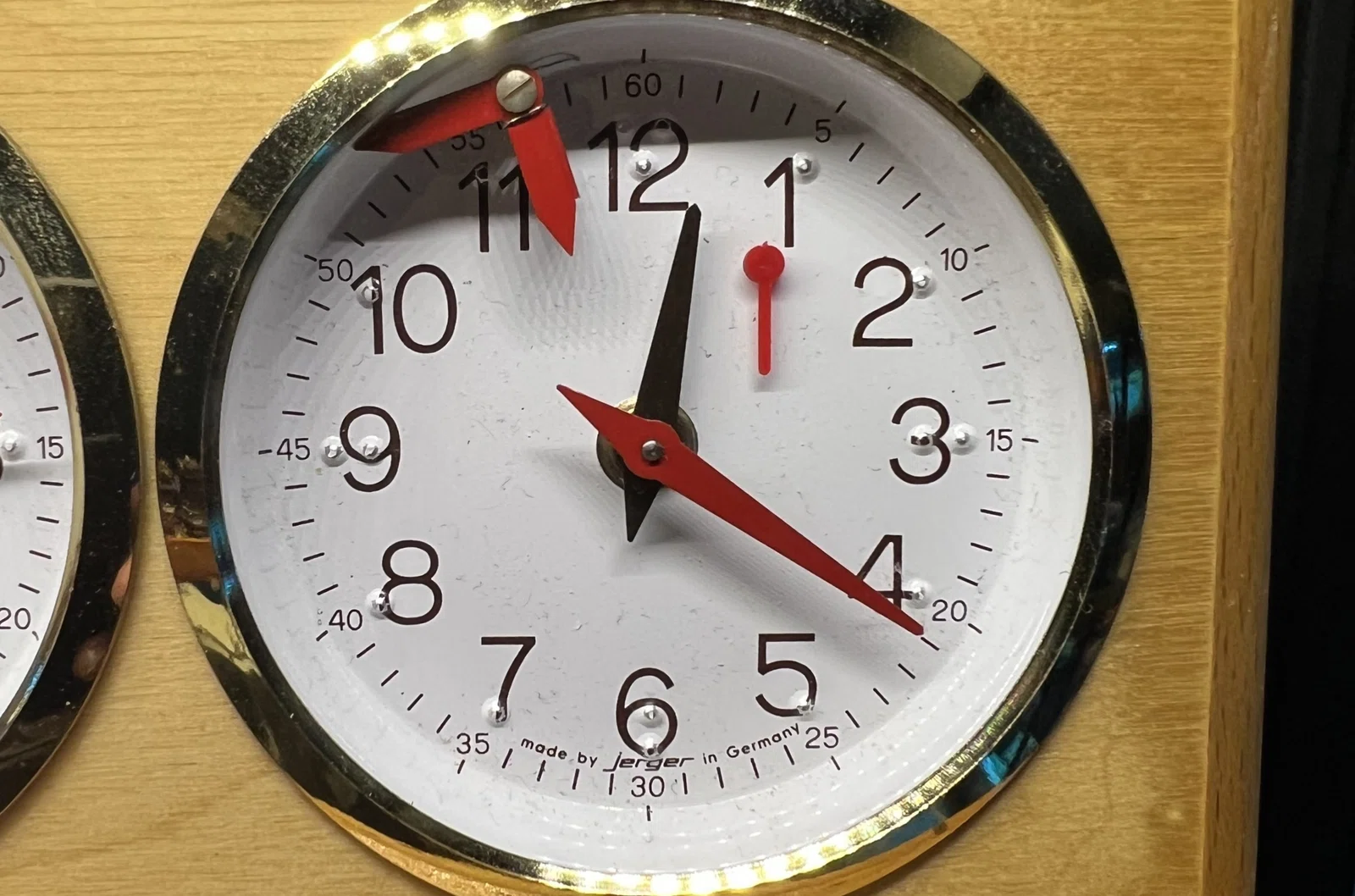
Chess Clocks for Blind Players
Accessible chess timing required the clock to become readable by touch or sound without interfering with the opponent's time.
Read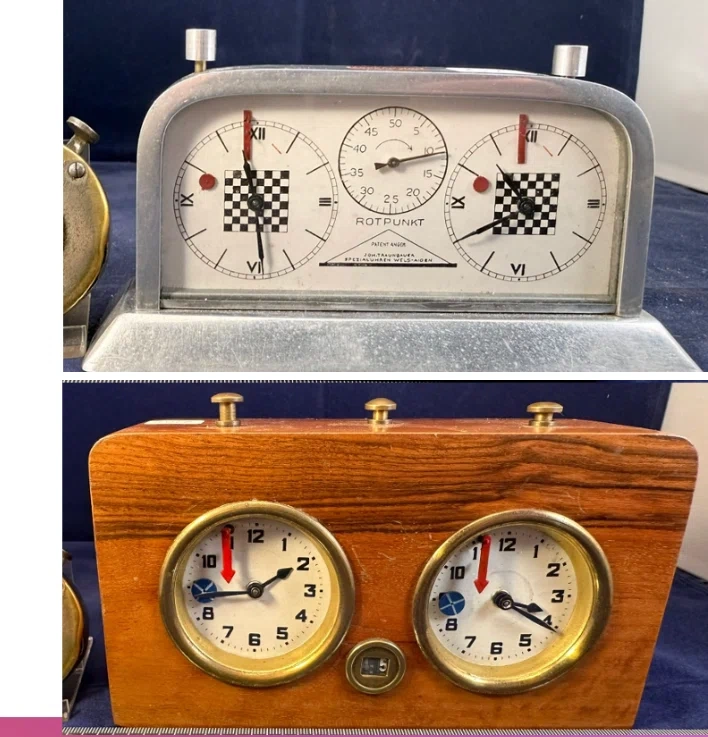
Mechanical Move Counters
Move counting was imagined almost immediately after the chess clock itself, yet remained a specialist mechanism for nearly a century.
Read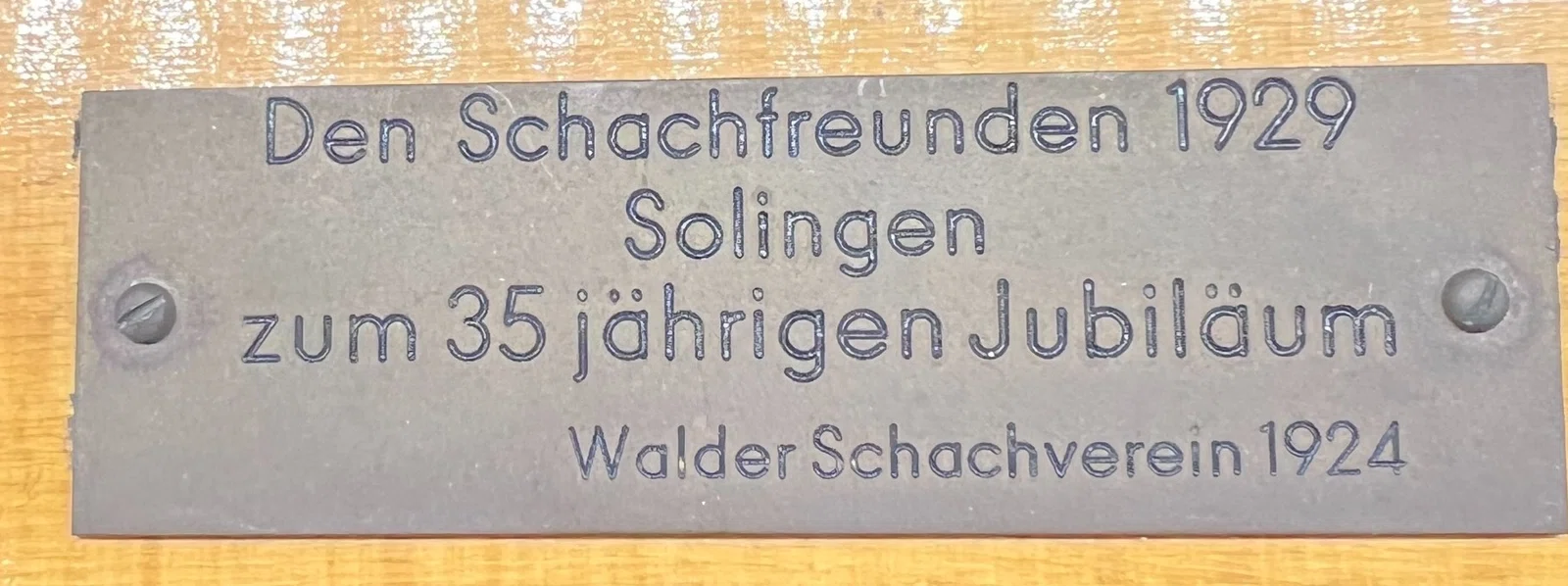
Chess Clocks as Trophies and Provenance Objects
A chess clock could mark victory, equip the winner, and preserve the memory of an event in one durable object.
Read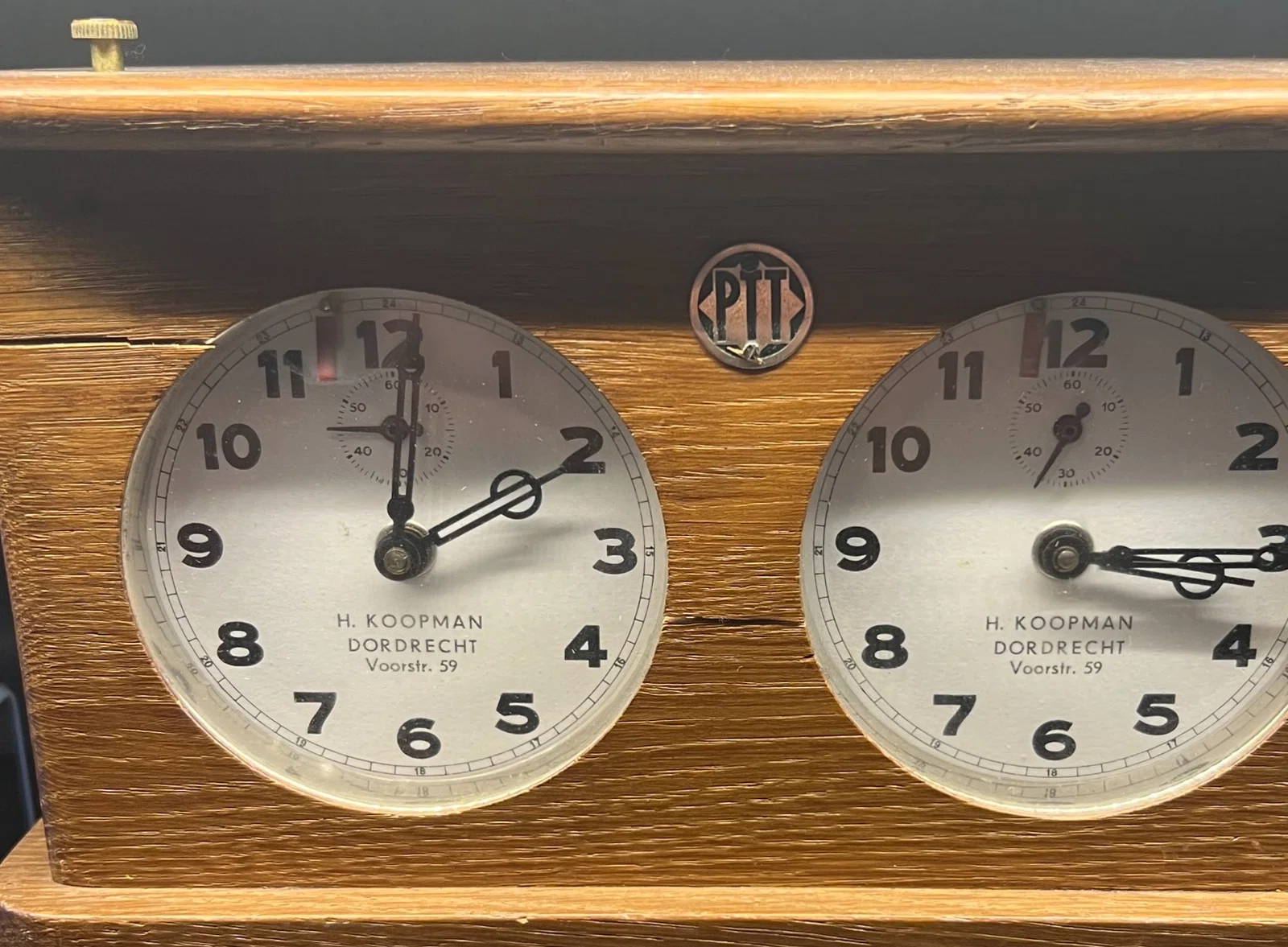
Chess Clocks as Club and Workplace Culture
Institutional markings can turn a mass-produced timer into evidence of rooms, factories, public agencies, and communities that organized chess around shared equipment.
Read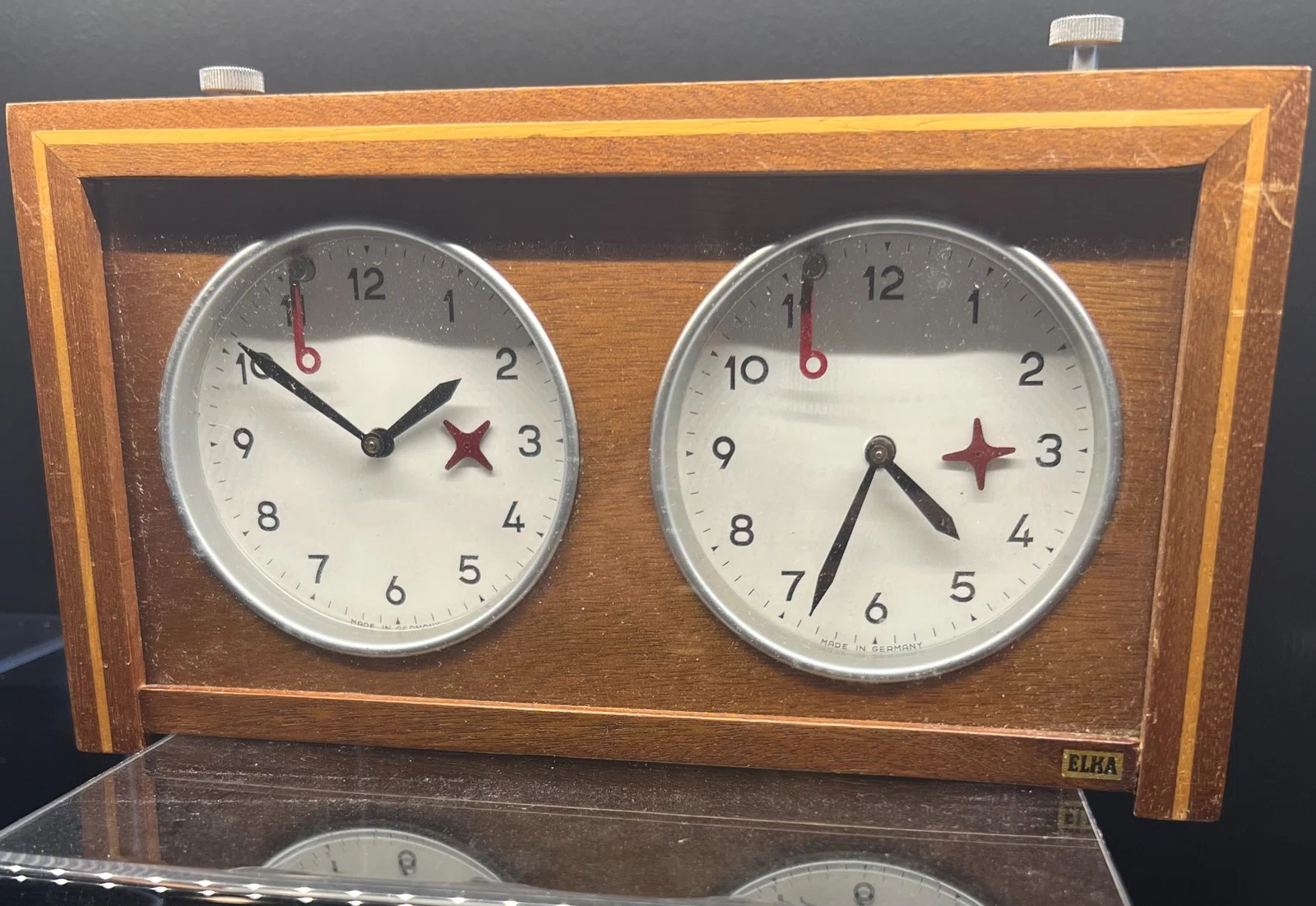
Retailers, Dealer Labels, and Secondary Branding
The name visible on a chess clock may preserve the route by which the object reached the player rather than the factory that built it.
Read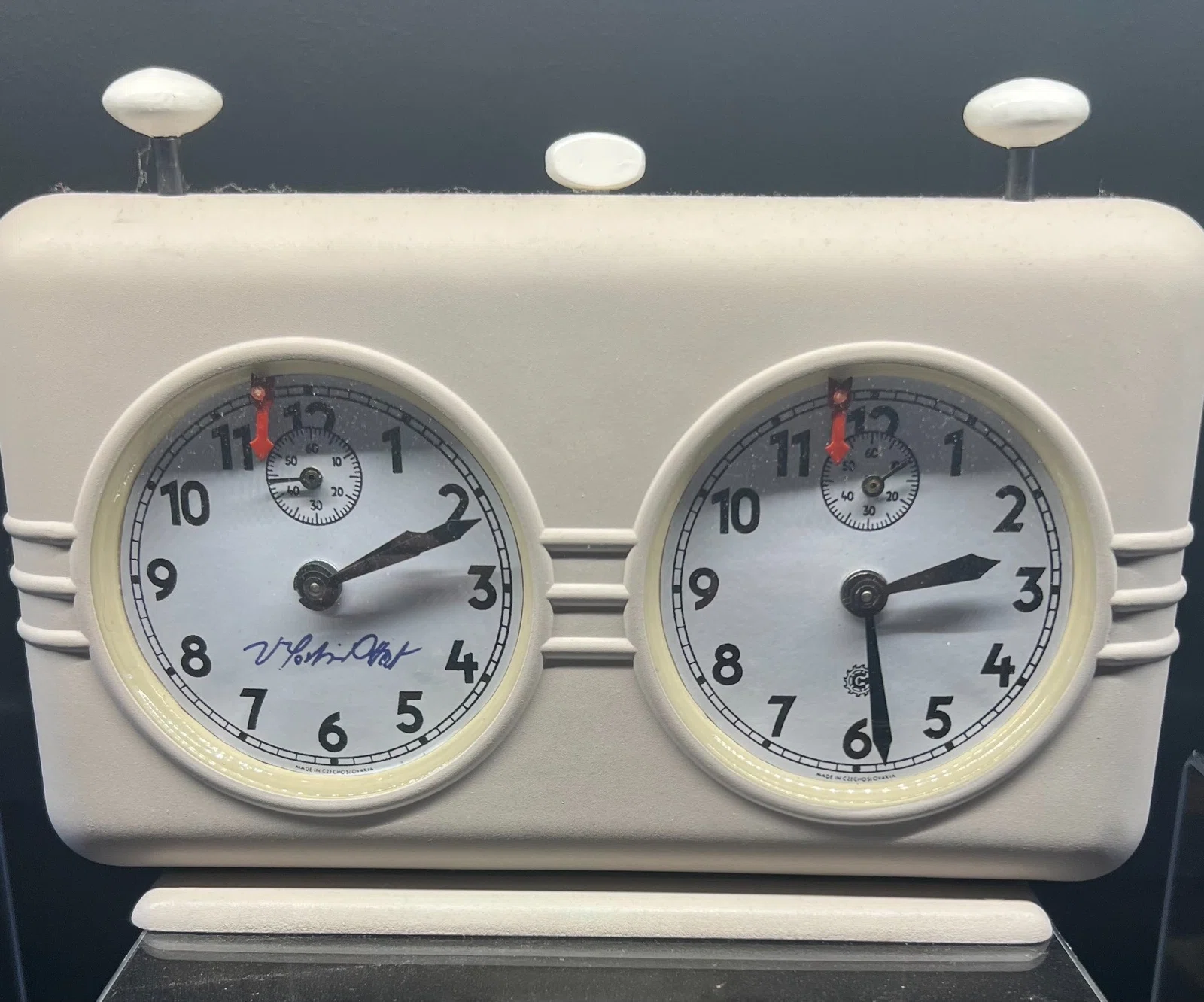
Altered, Refinished, and Commemorative Chess Clocks
A working clock can acquire a second historical life when a later owner transforms it into art, tribute, or commemorative object.
Read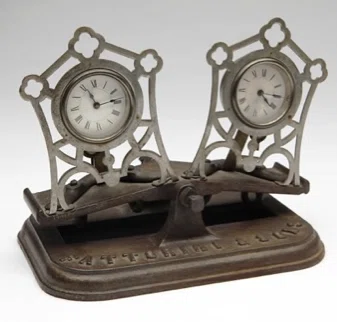
Controlling the Chess Clock
Rocker, button, slider, and lock mechanisms are different interfaces for the same essential task: transferring the running side quickly and reliably.
Read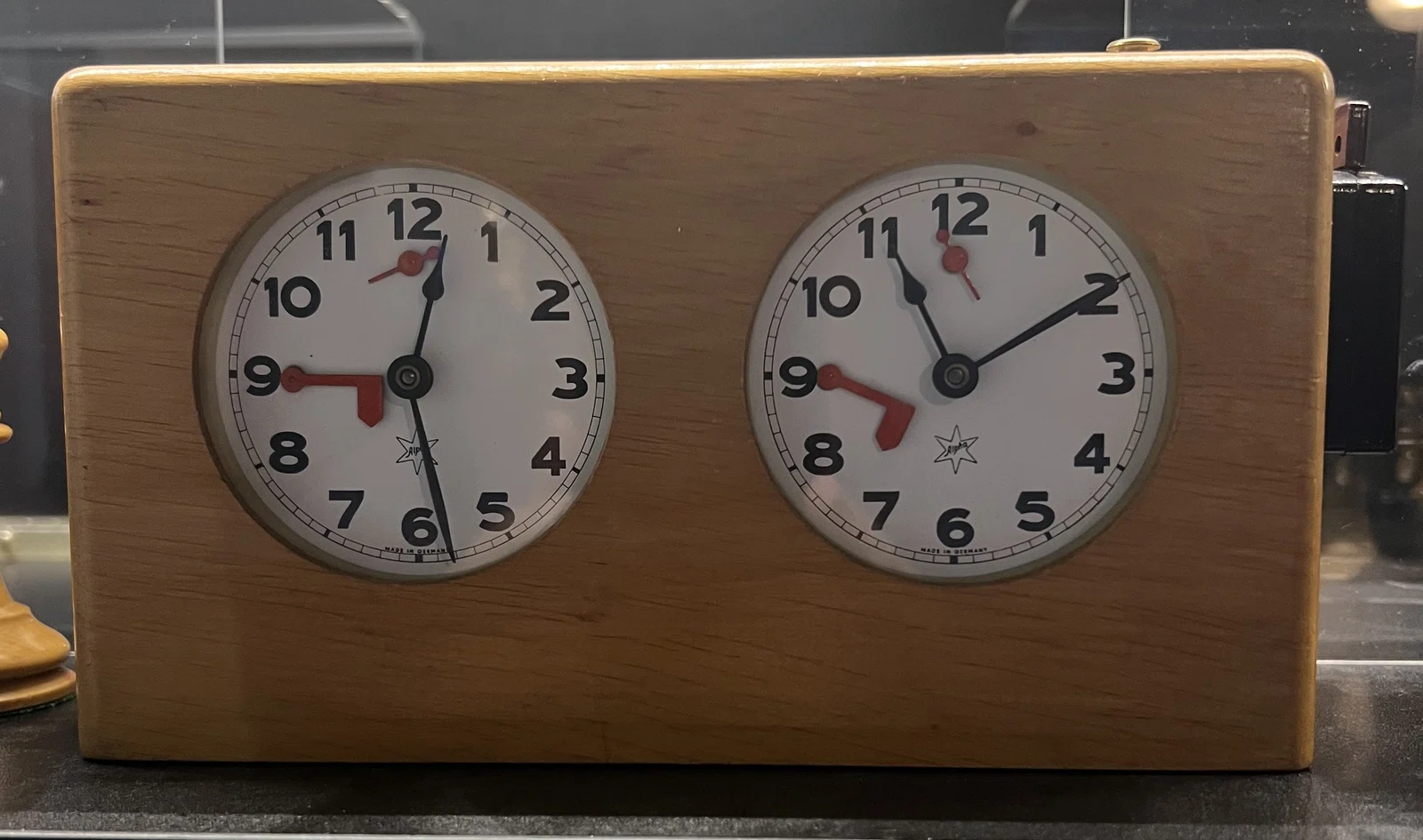
Rapid-Transit and Cadence Timers
Some chess timers do not measure a player's total reserve at all. They control the rhythm of every move.
Read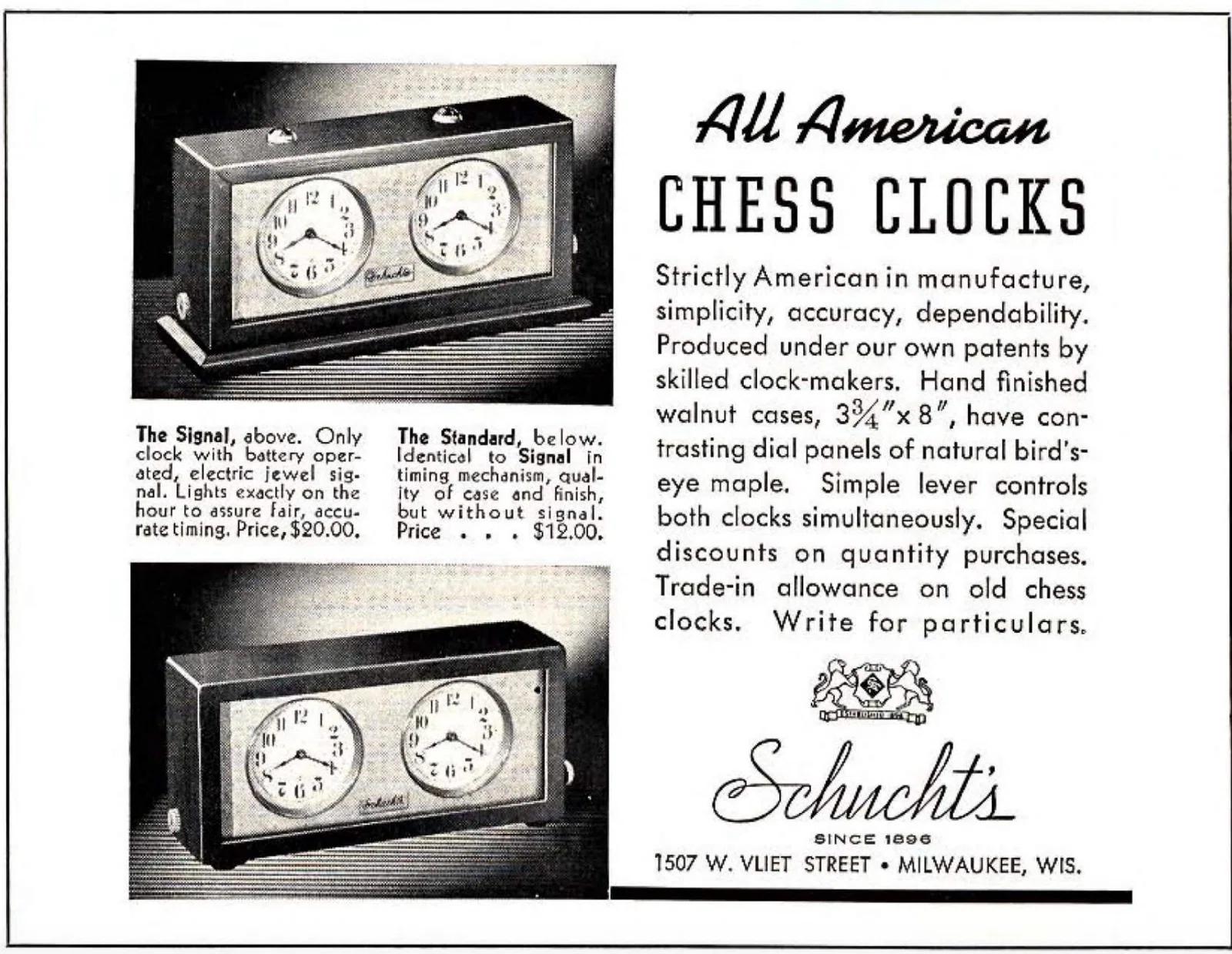
Electric to Digital Chess Clocks
The transition to digital timing happened in stages: first electricity assisted analog clocks, then electronics counted and controlled time, and finally digital hardware became standardized and cheap.
Read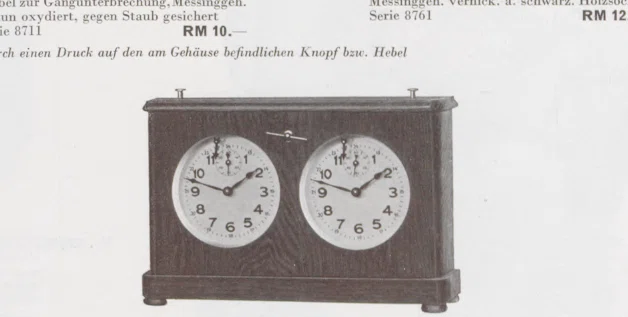
Imported Movements, OEMs, and Local Assembly
The nationality written on a chess clock is often only one layer of a supply chain that could cross several borders before the finished object reached a player.
Read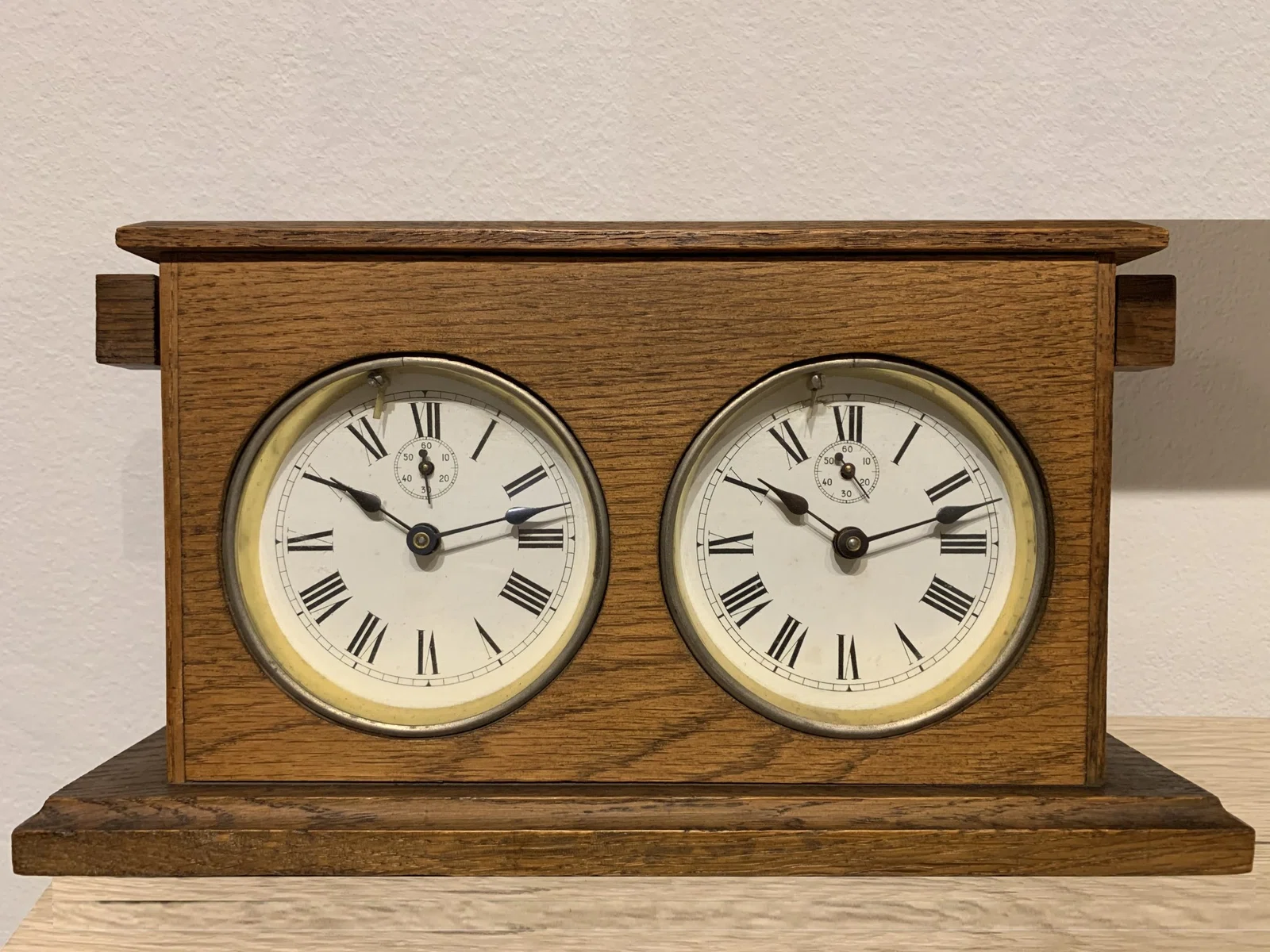
Attribution, Unknown Makers, and the Limits of the Record
Chess clocks are often easier to date, use, and mechanically analyze than they are to assign to one definitive maker.
Read