
Time became part of the game.
Explore the machines that turned human thought into a measurable competitive resource—from nineteenth-century tournament timers to mass-produced mechanical clocks and digital timing.
Different industries. Different clocks.
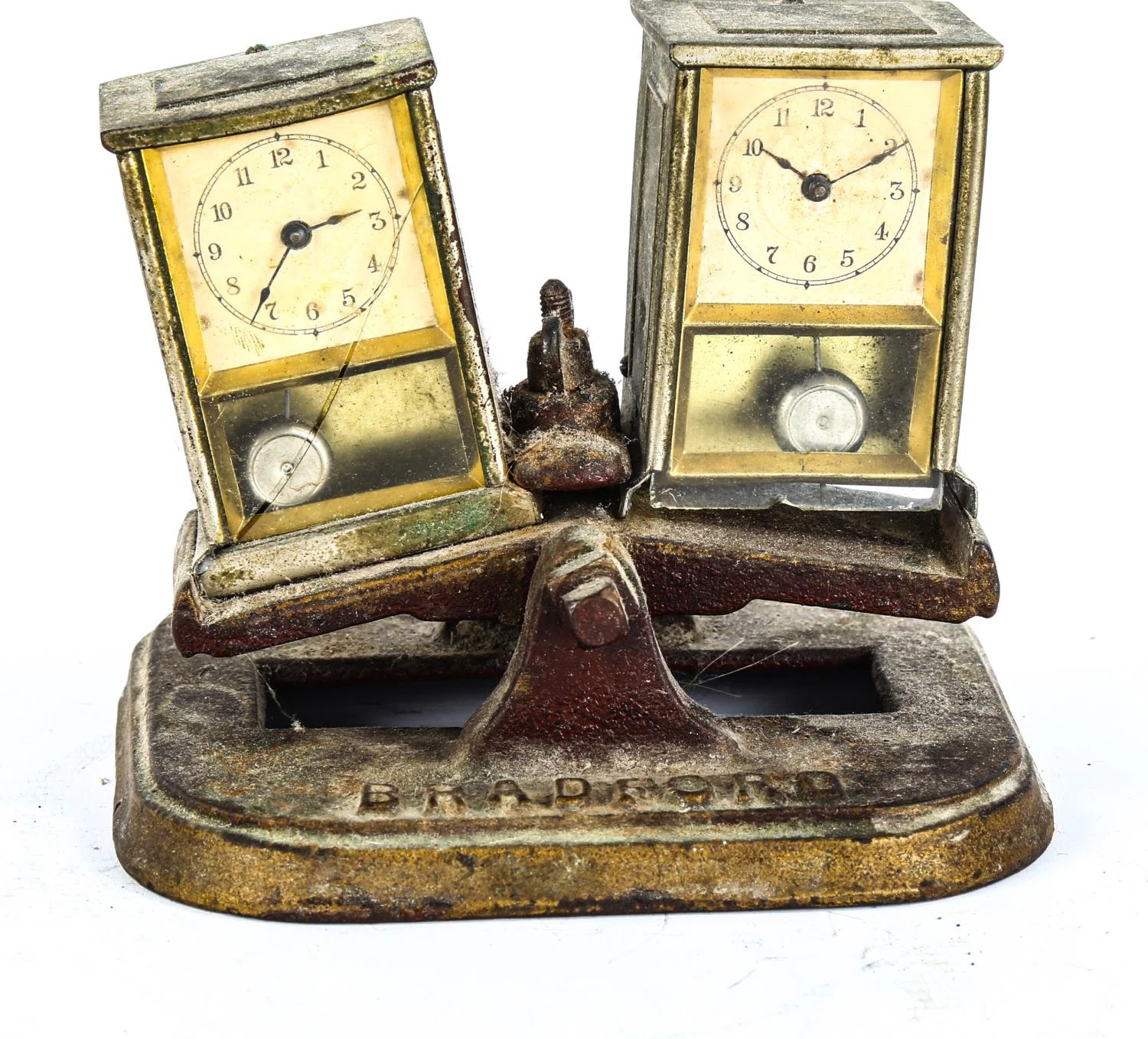
United Kingdom
From craft horology and the first practical tournament timer to standardized club equipment, Britain played a foundational role in turning the chess clock from an experiment into an institution.
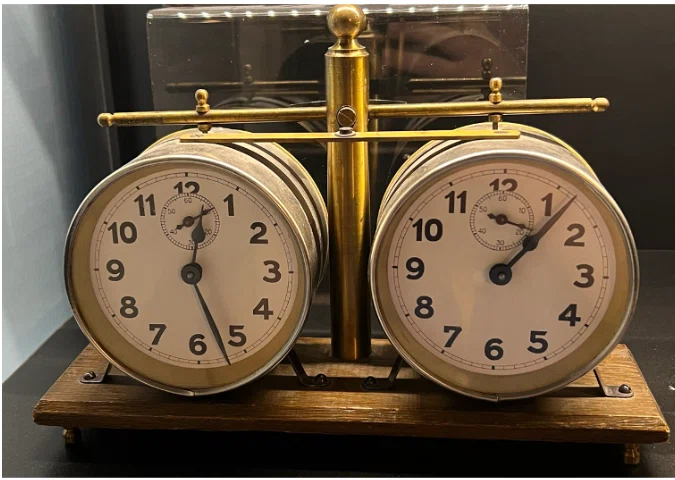
Germany
Germany combined one of the world's strongest chess cultures with an extraordinary industrial clockmaking base, allowing the chess clock to evolve from workshop and factory experiments into a globally distributed mechanical product.
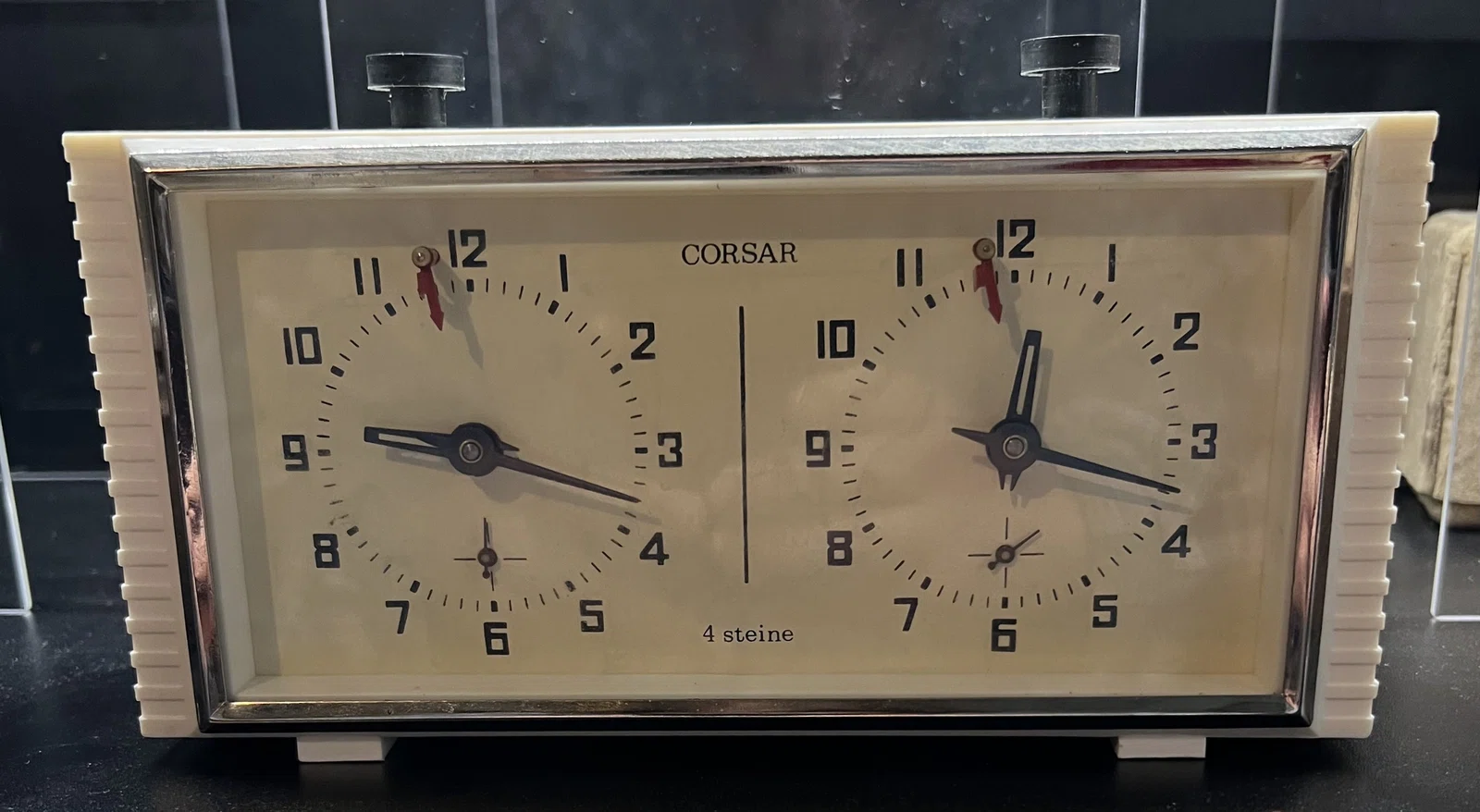
Soviet Union / Russia
A state-built chess culture and a deliberately constructed horological industry eventually produced one of the most recognizable families of mechanical tournament clocks in the world.
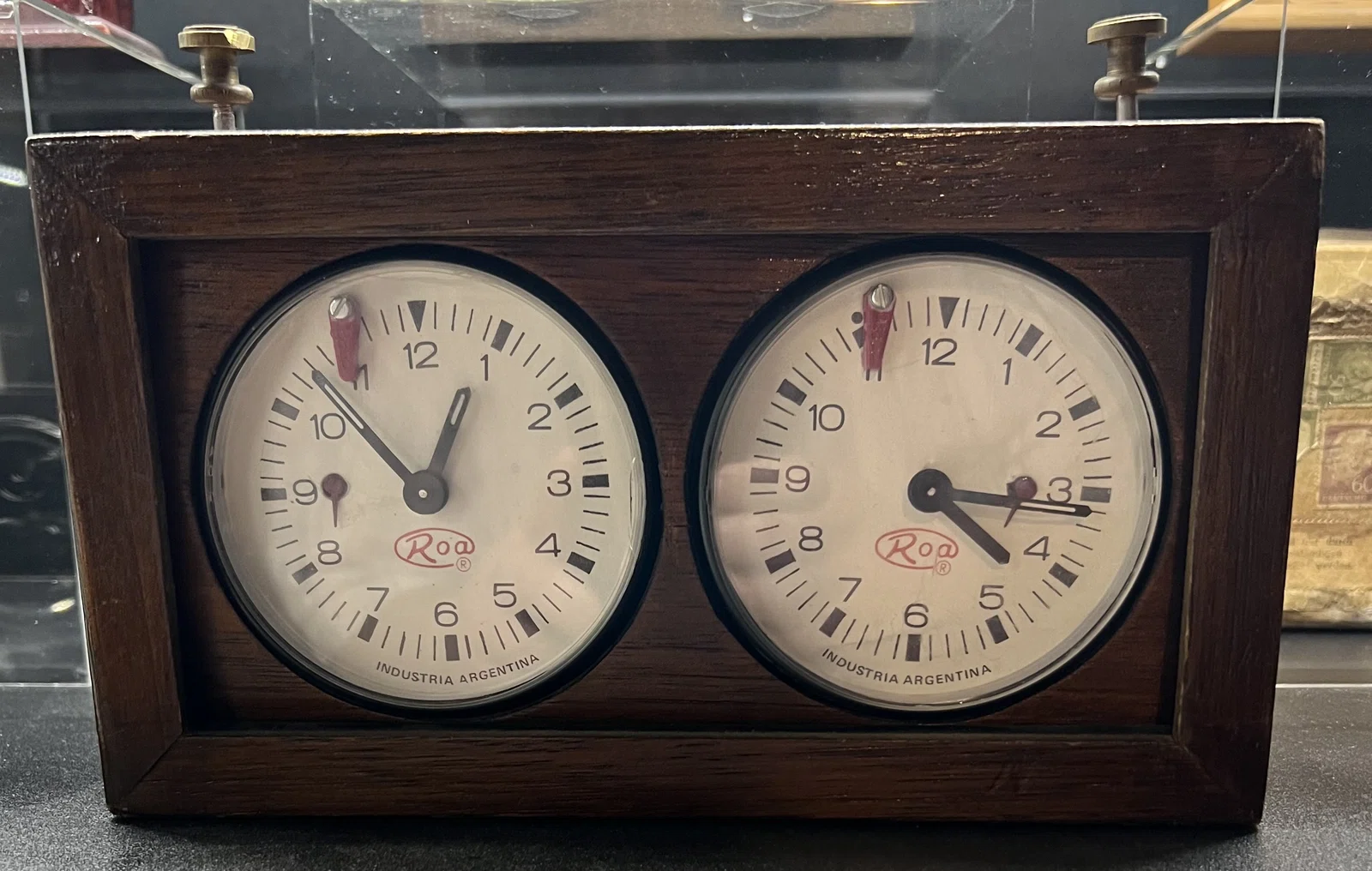
Argentina
Argentina moved from reliance on imported European tournament clocks to a distinct domestic chess-clock tradition shaped by workshop production, specialized tournament manufacture, industrial standardization, and unusually ambitious experiments in time control itself.
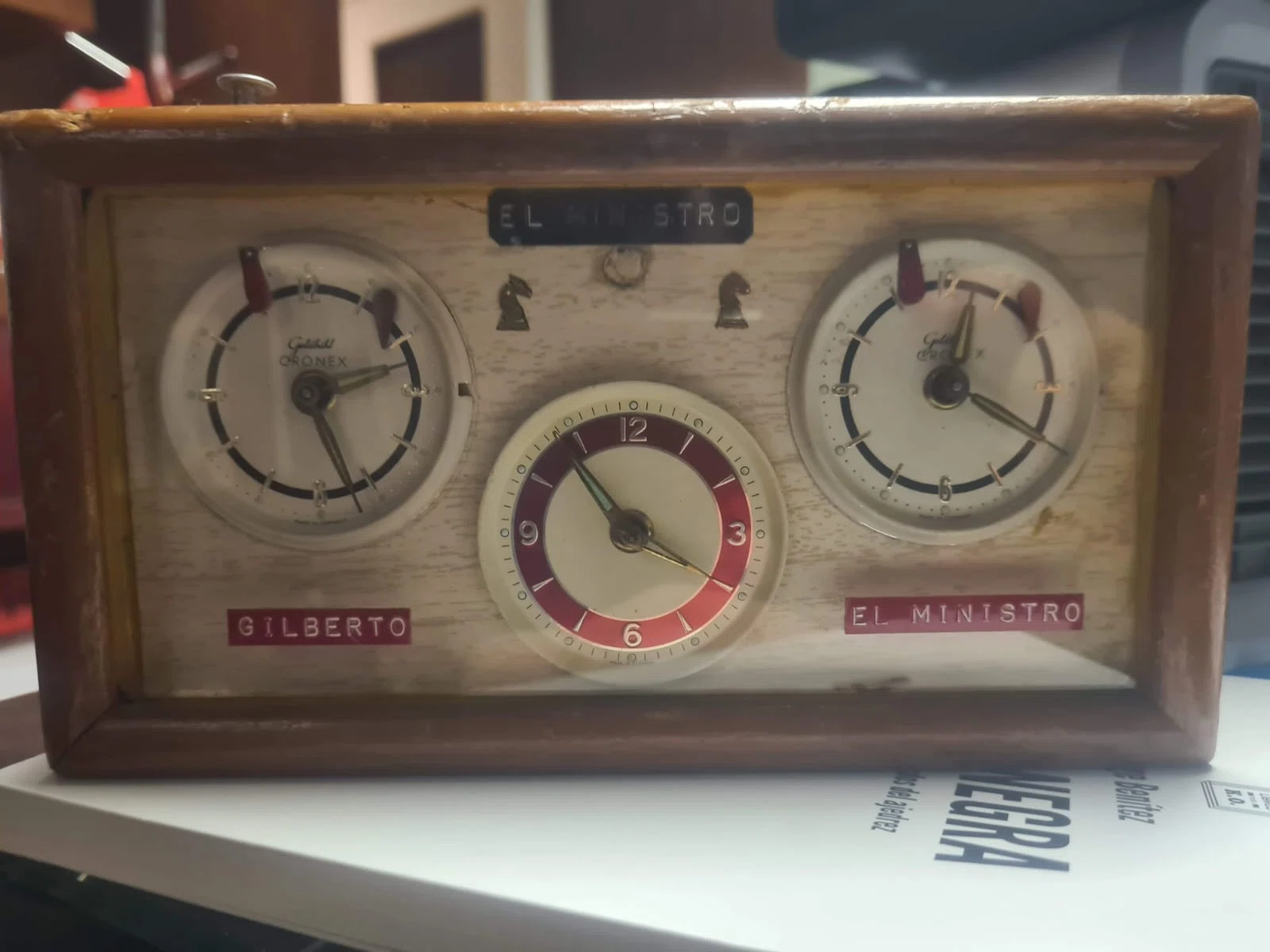
Mexico
A rare case in which a strong national-level chess player also became the maker of both personalized and ordinary-sale chess clocks.
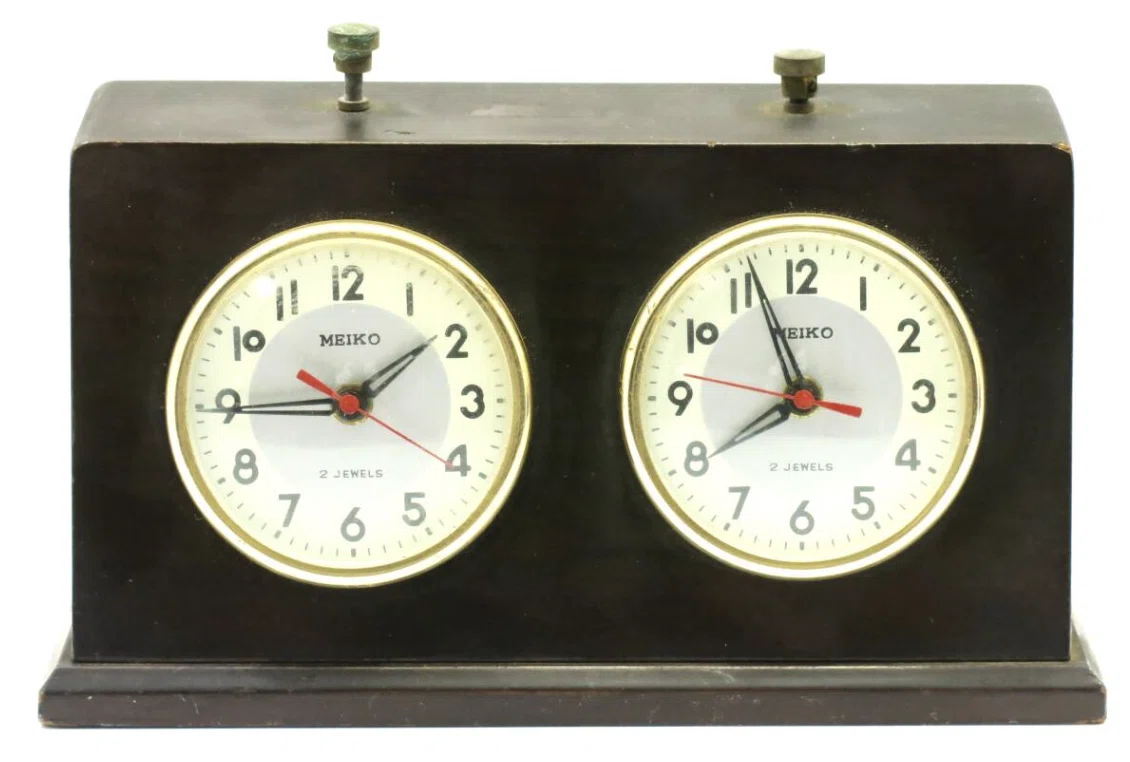
Japan
A Nagoya-made mechanical timer designed not for chess alone but for Japan's broader culture of timed board games.
Chronocaissology
Chronocaissology is the study of chess clocks and their history. It brings together horology, industrial history, chess culture, tournament rules, provenance, design, and the technology used to measure thought.
What is Chronocaissology?When the clock tried to count the game.
Move counters were imagined almost immediately after the practical chess clock itself, yet remained specialist mechanisms for nearly a century.
Explore move counters